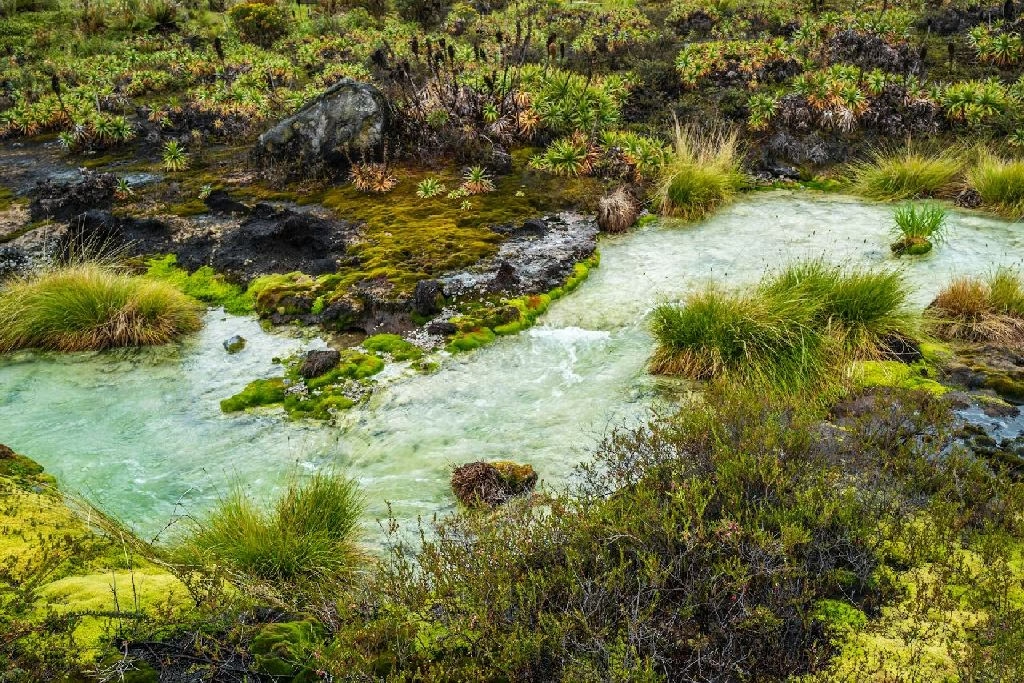
Travel solo through Colombia’s national parks and you must prepare for stunning biodiversity and unique wildlife, pack for remote treks, respect local guides, and stay alert to security risks in certain regions while enjoying solitude and transformative natural experiences.
Diverse Ecosystems: Types of National Parks for Solo Travelers
| Coastal Rainforests & Marine | Snorkeling, marine life, watch for strong currents. |
| High‑Altitude Paramos & Glaciers | Cold, thin air, altitude sickness risk; pack warm gear. |
| Deep Amazonian Jungles | Remote routes, guides advised, diverse wildlife. |
| Cloud Forests & Andean Reserves | Birdwatching, misty trails, slippery sections. |
| Dry Forests & Llanos | Seasonal flooding, big mammals, travel timing matters. |
- solo travel tips: choose parks that match your experience.
- national parks in Colombia vary by risk and access.
- Pack for weather swings and local conditions.
Coastal Rainforests and Marine Sanctuaries
You will find abundant biodiversity and quiet beaches ideal for solo wildlife spotting, but expect wet trails and occasional strong currents when swimming; hire a local boat or guide for remote coves to stay safe.
High-Altitude Andean Paramos and Glaciers
Higher elevations reward you with stark views and endemic plants; plan for cold nights and reduce exertion to limit altitude sickness.
Acclimating slowly and carrying layered gear lets you enjoy fragile ecosystems and challenging treks while minimizing risk from sudden weather and icy trails.
Deep Amazonian Jungles and Remote Biodiversity
Venturing into the Amazon asks that you rely on local guides, insect protection, and river logistics; expect remote camps, rich sightings, and limited emergency access.
Recognizing the isolation and taking guided routes keeps you safer while maximizing encounters with rich wildlife and unparalleled solitude.
Critical Factors for Planning an Independent Journey
Planning an independent trip to Colombia’s national parks means checking access windows, permits, transport options, and emergency contacts so you keep yourself safe. You should assess trail difficulty, altitude effects, and hazards like flash floods, then pack gear for self-reliance and contingency shelter.
- solo travel
- permits
- trail conditions
- accommodation
After you secure required permits and confirm park rules, share your itinerary, arrange reliable transfers, and carry extra cash plus a charged power bank and a first-aid kit.
Seasonal Weather Patterns and Trail Conditions
Weather shifts sharply between wet and dry seasons; you will face heavy rain, muddy tracks, or intense sun depending on altitude. You should check recent trail reports, reduce daily mileage during storms, and expect closures in the rainy season.
Park Capacity Limits and Entry Permit Logistics
Permits often sell out for popular areas and parks enforce daily quotas; you must book weeks in advance and carry ID and booking confirmations to avoid being refused entry.
Quotas can restrict solo entry, requiring you to join a permitted group or hire a certified guide on busy routes; save screenshots and contact numbers for park offices.
Confirm opening hours, pick-up points, and any overnight fees 48-72 hours before arrival and keep payment receipts to show rangers if needed.
Solo-Friendly Accommodation and Infrastructure
Camping options range from basic clearings to guarded refugios; you should prioritize sites with water access, sanitation, and safe storage for gear when traveling alone.
Hostels in gateway towns provide single rooms, local guidance, and help with bookings-good choices can also connect you with guides and transport.
Check whether parks accept cards, whether charging points exist, and if porters operate on trail sections; carry printed reservations as a backup.
Step-by-Step Guide to Navigating the Colombian Wilderness
| Step | Action |
|---|---|
| Transport | Book morning buses or private transfers; expect rough roads and long travel times. |
| Register | Sign in at ranger stations, carry ID, and hire an official guide for remote trails. |
| Connectivity | Carry offline maps, a local SIM, and consider a satellite communicator for emergencies. |
Securing Transportation from Major Hubs to Park Gates
Bus services run to main park towns but often stop before gates, so you should arrange a final transfer; roads can be dangerous at night, so plan daylight arrivals.
Registering with Authorities and Hiring Local Expertise
Before entering, register at the ranger station and present ID; you must follow permit rules and fees, and hiring a guide reduces exposure to hidden hazards. Check community threads like Best for a solo traveller to stay in or outside of the park? for local lodging tips.
Bring copies of permits and emergency contacts to leave with rangers; you should also carry cash for on-site fees and transport changes.
Managing Connectivity and Emergency Communication
Cell coverage is often limited inside parks, so you should download offline maps and carry a local SIM where possible.
Pack a satellite communicator or emergency beacon for remote areas and leave your itinerary with park authorities and a trusted contact so you can be located if plans change.
Essential Safety and Practical Tips for Solo Travelers
Plan your routes and check local alerts before each hike; you should share your plan with trusted contacts and carry ID and copies. For solo travel in Colombia’s national parks prioritize simple routes, daylight movement and reliable transport; consult forums like First time solo – is my itinerary for Colombia too rushed? to compare experiences and safety tips.
- Share your itinerary with someone local or at home and check-in daily.
- Carry a basic emergency kit, whistle and portable charger.
- Hire certified guides for remote or challenging trails.
Perceiving local conditions and altering plans reduces risk and preserves your enjoyment of the breathtaking vistas.
Health Precautions and Altitude Sickness Prevention
Monitor your vaccinations, seek up-to-date advice for malaria and yellow fever, and avoid untreated water to lower infection risk. You should pace ascents to allow acclimatization and watch for signs of altitude sickness.
Carry a compact first-aid kit, electrolyte tablets and any prescription meds; a pulse oximeter can help you assess oxygen levels on high treks.
Cultural Etiquette and Interacting with Local Communities
Observe local greetings and modest dress codes in villages; speaking a few Spanish phrases signals respect and eases interactions with local communities.
Engage with hosts by asking permission before photos, supporting small local businesses and following guide guidance around sacred sites.
Learn about gift norms, avoid unsolicited offerings, and prefer small purchases or shared meals to build trust and safer, more positive exchanges.
Packing Strategies for Unpredictable Terrain
Pack layered clothing, a waterproof shell, sturdy boots and trekking poles to handle slippery slopes and sudden weather; highlight unpredictable terrain when planning daily distances.
Include spare batteries, a water filter, a compact shelter and dry bags for electronics and documents to reduce exposure to wet conditions.
Secure your gear, test boots and equipment before arrival, and keep vitals easily accessible to respond quickly to changing trail conditions.
Pros and Cons of Solo Travel in Colombia’s Parks
Pros and Cons
| Pros | Cons |
|---|---|
| You control itinerary and pace | You are responsible for safety decisions |
| You can linger at memorable spots | You may face isolation on long trails |
| You meet locals on your terms | You carry all gear and logistics |
| Freedom to change plans mid-route | Limited transport in remote zones |
| Lower cost options if you choose them | Unexpected fees for guides or permits |
| Personal growth and confidence gains | Language gaps can complicate help |
| You can join curated solo tours when desired | Wildlife encounters and sudden weather |
| Quiet time for reflection and photos | Poor cell coverage and limited rescue access |
The Freedom of Self-Paced Discovery and Reflection
You gain freedom to set your own pace, linger where you want, and choose detours that matter; you can also join curated options like 10 Best Colombia Tours for Singles / Solo Travelers when you want company.
Challenges of Remote Navigation and Safety Risks
Solo trips expose you to remote hazards: steep trails, sudden storms, and wildlife encounters, so you should plan conservatively and consider hiring local guides for complex routes.
Remote trails often mean poor cell coverage and delayed emergency response; you must carry a reliable map, extra water, and a satellite communicator or arrange local support.
Financial Considerations and Budgeting for Solo Treks
Consider budgeting for permits, park fees, guide services, and the higher per-person cost of private transport; carrying cash helps in rural areas where cards fail.
Budgeting for gear replacement, unexpected nights out, and emergency medical care reduces stress; choose simple lodging, shared rides, and local food to stretch funds.
To wrap up
So you will discover Colombia’s parks offer diverse ecosystems, clear trails, and chances to spot wildlife on solo trips. You should plan permits, pack for sudden weather, and connect with ranger stations for safety updates. Embrace respectful interactions with local guides and communities to enrich your route while minimizing impact on fragile habitats.
FAQ
Q: Is solo travel safe in Colombia’s national parks?
A: Safety conditions vary by park and region. Many popular parks such as Tayrona, Los Nevados, and El Cocuy have regular ranger presence and established visitor services. Remote parks near international borders or deep in the Amazon may have security advisories from Colombian authorities, so check current government travel notices and park alerts before departure.
Register your itinerary at park offices when available, carry identification, keep valuables concealed, and avoid hiking alone after dark. Guided treks are mandatory for the Lost City (Ciudad Perdida) and strongly recommended for high-elevation or jungle routes where weather, terrain, and local knowledge affect safety. Travel insurance that covers medical treatment and emergency evacuation, an extra power bank, and a way to call for help in remote areas increase personal security.
Q: What permits, fees, and accommodation options should a solo traveler plan for?
A: Permit requirements and entry fees differ widely between parks. Tayrona requires timed online reservations and limits daily visitor numbers during high season, so book well in advance. Ciudad Perdida requires multi-day guided tours arranged through licensed operators; independent trekking is not allowed. High-Andean parks such as Los Nevados and El Cocuy may require permits or registration for refugios and glacier routes and can close seasonally for safety.
Many parks offer basic camping areas or refugios; nearby towns often provide eco-lodges, hostels, and private guides in places like Santa Marta, Salento, and El Cocuy town. Public transport to trailheads can be long and irregular, so allow buffer days, carry sufficient cash for entrance fees and local services, and confirm bookings before you travel.
Q: How should solo travelers handle wildlife encounters and environmental responsibility?
A: Wildlife interactions should prioritize safety for both animals and people. Keep a respectful distance, use binoculars or a zoom lens for photos, and never feed or attempt to touch wild animals. Store food securely and follow park rules about cooking and fires to avoid attracting wildlife.
Mosquito-borne illnesses occur in lowland and Amazon parks; use insect repellent with DEET, wear long sleeves and pants during dawn and dusk, and consult a travel clinic about vaccines and antimalarial options when visiting specific regions. Carry a compact first-aid kit, water-treatment method, and basic repair items for gear. Leave no trace by packing out all trash, minimizing soap use in waterways, and staying on established trails to protect fragile ecosystems and archaeological sites.

I’m Luciana, a travel writer from Bogotá, Colombia, and yes, I know exactly what it’s like to be a solo female traveler in a country the world still misunderstands.
I’ve been travelling independently for 10 years, completing 50+ solo trips across Colombia, Mexico, Central America, Argentina, Peru and the United States. I write in both English and Spanish, and I also contribute to allaboutcolombia.com where I cover my home country in depth — from the coffee region to the Caribbean coast to the Andes.
My speciality is Latin America: the neighbourhoods the guidebooks skip, the buses that are actually fine to take, the hostels that feel like home, and the restaurants where locals actually eat. I’ve hitchhiked across Patagonia, navigated Medellín’s metro system at rush hour, and camped solo in the Sierra Nevada de Santa Marta. I know this region the way you only can when it’s yours.
I also cover the US for solo travelers, having spent time road-tripping through the Southwest, the Pacific Coast and the Deep South.