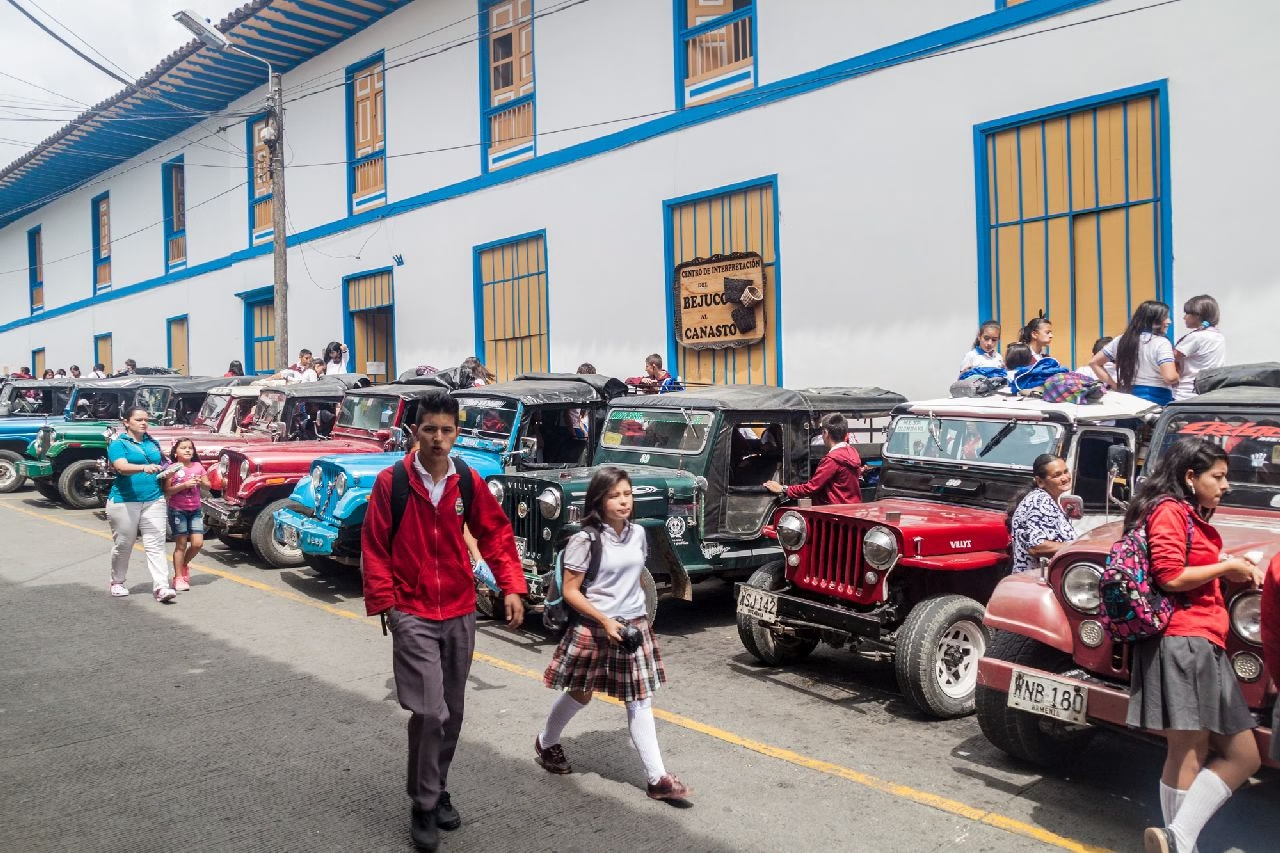
Many travelers find driving in Colombia an adventure filled with unique challenges and opportunities. Understanding license rules is vital, as you’ll need a valid driver’s license and possibly an international driving permit. When considering car ownership, knowing the regulations can help you avoid legal pitfalls. Also, securing insurance is vital for your safety and peace of mind on Colombian roads. This guide will equip you with important information to navigate the complexities of driving in this vibrant country.
Key Takeaways:
- Foreigners can drive in Colombia using a valid driver’s license from their home country for up to 90 days; thereafter, a Colombian license is required.
- Car ownership involves registering the vehicle with the Colombian Ministry of Transportation and obtaining necessary documents, including a vehicle identification number (VIN) and proof of purchase.
- Mandatory insurance in Colombia includes SOAT (Seguro Obligatorio de Accidentes de Tránsito), which covers medical expenses for injuries resulting from traffic accidents.
License Rules
In Colombia, understanding the license rules is crucial for safe driving. You must hold a valid driver’s license to drive legally, whether it’s your local license or a Colombian one. If you’re a foreigner, the law permits you to use your home country’s license for a maximum of 90 days. After this period, obtaining a Colombian license is necessary.
Types of Licenses
Colombia offers various types of licenses to suit different driving needs. The primary categories include:
- Category A1: Motorcycles up to 125cc
- Category A2: Motorcycles above 125cc
- Category B1: All types of vehicles, including cars
- Category B2: Freight vehicles
- Category B3: Passenger transport vehicles
This variety allows you to choose a license that fits your vehicle type and driving purpose.
Step-by-Step Process to Obtain a License
The step-by-step process to obtain a license in Colombia involves several clear stages, starting with identification and documentation. The requirements generally include the following:
| 1 | Gather necessary documents (ID, photos, medical exam) |
| 2 | Complete a driving course at a certified school |
| 3 | Pass a theoretical and practical driving test |
| 4 | Submit application at a local transit office |
| 5 | Pay the required fees and await your license |
Following these steps ensures you navigate the process efficiently and obtain your license without unnecessary delays.
Additional Information on Obtaining a License
| Documentation Needed | ID card, medical certificate, and photos |
| Driving School Requirement | Enrollment in a recognized driving school |
| Cost of Obtaining a License | Varies by region but generally ranges from COP 300,000 – 600,000 |
| License Expiration | Valid for ten years for drivers under 50 |
| Renewal Process | Requires vision test and may include additional fees |
Understanding all aspects of the license application process ensures you are well-prepared. Following local guidelines and maintaining compliance with the rules will help you enjoy driving in Colombia safely.
Car Ownership
Owning a car in Colombia can enhance your travel flexibility, but it comes with responsibilities. You’ll need to consider the purchase price, maintenance, and local regulations. Stay informed about traffic laws, fuel prices, and parking availability in your area to make an informed decision.
Factors to Consider Before Buying
Before purchasing a vehicle, weigh these factors carefully:
- Budget for initial and ongoing expenses
- Type of vehicle suitable for local terrain
- Fuel efficiency to reduce running costs
- Insurance rates that vary by car model
- Resale value for potential future sale
- Security features to avoid theft
- Availability of parts for potential repairs
Perceiving the total cost of ownership can guide your selection process.
Pros and Cons of Owning a Car in Colombia
Owning a car in Colombia presents a mix of advantages and disadvantages that you should evaluate. Here’s a breakdown:
Pros and Cons of Owning a Car in Colombia
| Pros | Cons |
| Increased mobility | High purchase costs |
| Convenient travel for families | Maintenance expenses |
| Access to remote areas | Traffic congestion in cities |
| Potential for carpooling | Parking challenges |
| Freedom to travel on your schedule | Insurance premiums |
| Comfort during long trips | Fuel price fluctuations |
| Ability to carry large items | Risk of theft |
| Exposure to scenic routes | Environmental impact |
| Access to road trips | Legal obligations (registration, inspections) |
| Personalization options | Depreciation over time |
Evaluating these pros and cons helps you to assess your needs and lifestyle against the responsibilities of car ownership. For instance, increased mobility allows for spontaneous weekend getaways, while parking challenges can lead to added daily stress. Balancing these factors is vital to making an informed choice.
Insurance Requirements
To drive legally in Colombia, you must have valid insurance coverage. The government mandates a minimum level of liability insurance known as SOAT (Seguro Obligatorio de Accidentes de Tránsito), which covers medical expenses for accident victims. This insurance is vital for all drivers and must be renewed annually. Additionally, you may want to consider further insurance options to safeguard your investment in case of theft or damage.
Types of Insurance Available
Colombia offers various types of insurance plans to suit different needs. Here are some options:
| SOAT | Mandatory territory-wide liability insurance |
| Third-party Insurance | Covers damages to others in an accident |
| Comprehensive Insurance | Offers coverage for damage to your vehicle and theft |
| Collision Coverage | Covers damage to your vehicle from accidents |
| Personal Accident Insurance | Covers medical expenses for you and passengers |
After selecting a plan, evaluate your driving habits and potential risks to determine the best fit.
Tips for Choosing the Right Insurance
Choosing the right insurance can feel overwhelming at times. Consider factors such as coverage limits, deductibles, and the reputation of the provider. Additionally, look for deals that bundle multiple insurances for savings. Comparing quotes online can also help you identify the most cost-effective options. Always read the fine print to understand exclusions and conditions.
- Assess your coverage needs based on your driving patterns.
- Check the provider’s reputation through customer reviews.
- Evaluate deductibles and premiums to fit your budget.
- Consider additional protection options for unique risks.
- Inquire about discounts for safe driving records.
After gathering all this information, align your choices with your budget and driving habits to make an informed decision.
It’s vital to remain informed about the long-term implications of your insurance policy. Evaluate your current policy annually, especially if your circumstances change, such as moving or purchasing a new vehicle. Engaging with insurance agents can help clarify any doubts you have regarding coverage levels, and they might even provide personalized recommendations suited to your situation.
- Conduct annual reviews of your insurance needs.
- Keep your driving record clean to lower premiums.
- Engage with different insurance agents for diverse options.
- Stay informed of any changes in legal requirements.
- Factor in your vehicle type when selecting coverage.
After making adjustments to your policy, ensure you feel secure on the road.
Driving Tips
Navigating the roads in Colombia requires a blend of caution and local knowledge. Emphasis on defensive driving is crucial, as drivers may not always adhere to traffic rules. Be prepared for varying road conditions and keep an eye out for pedestrians and cyclists who share the road. Plan for potential traffic jams in urban areas and stay calm; the roads can become chaotic at peak times. The key to a safer driving experience lies in being observant and adaptable.
Essential Tips for New Drivers
For new drivers, understanding Colombian driving culture is vital. Focus on local speed limits, which can vary by area; in urban zones, it’s typically 50 km/h, while rural roads may allow up to 90 km/h. Always use your turn signals and maintain a safe distance from other vehicles. Be cautious during rain, as roads can become slippery and may carry hidden hazards like potholes. Knowing these details can help you adjust to the unique driving environment.
Common Driving Challenges in Colombia
Driving challenges in Colombia may include unexpected traffic formations and poorly marked roads. Rural regions often lack proper signage, leading to confusion. You could encounter unpaved roads, particularly in mountainous areas, where even experienced drivers may struggle. Furthermore, wildlife crossing may occur, particularly in less populated regions, adding to the potential for accidents. Be aware of local customs, where some drivers might interpret traffic rules differently. Emphasizing patience and adaptability can turn driving into a more manageable experience.
Final Words
With these considerations, understanding the license rules, car ownership, and insurance requirements in Colombia becomes necessary for your driving experience. Ensure you have the proper documentation to drive legally, familiarize yourself with the vehicle purchasing process, and prioritize obtaining sufficient insurance coverage for your protection. By following these guidelines, you can navigate the roads of Colombia more confidently and enjoyably, making the most of your time behind the wheel.

Hey there! I’m Luciana, a travel writer from Colombia. I focus on places I know and love — mostly Colombia, Central America, and North America.
I’m all about discovering those hidden gems that don’t always make it into the guidebooks — think street food stalls, quiet little towns, underrated hiking trails, and the kind of real-life moments that truly capture what a place is all about.
Whether I’m wandering through vibrant markets in Guatemala, cruising across the deserts of the U.S., or hiking the Andes, I try to keep it real and useful — no fluff, just the good stuff.
When I’m not off exploring or writing about it, you’ll probably find me sipping too much coffee, editing photos, or dreaming up my next trip.
Let’s keep discovering and traveling smarter — one trip at a time.