Exploring the Catedral Primada de Colombia — Bogotá’s Majestic Heart of Faith and History
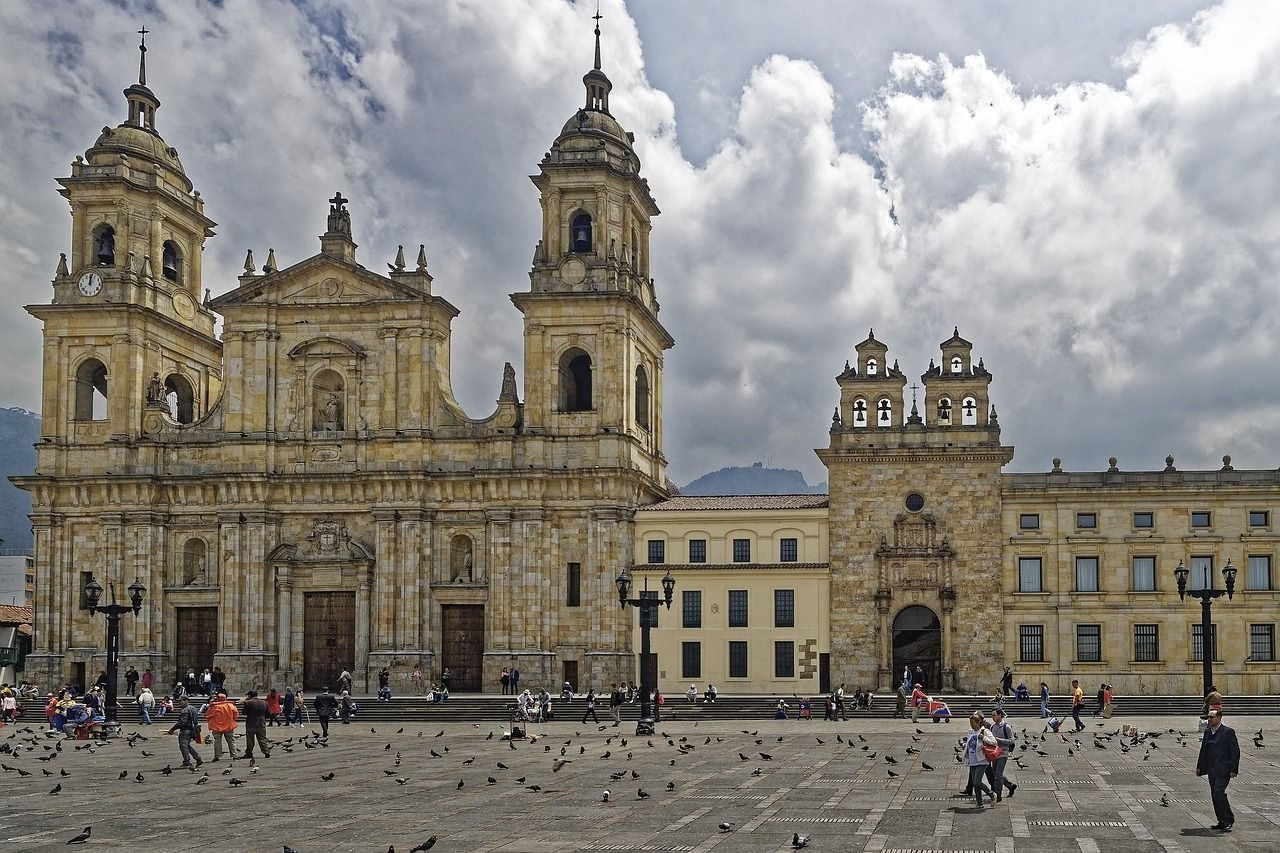
Catedral Primada de Colombia
Address
Catedral Primada de Colombia
GPS
4.5978421, -74.0751469
Bogotá’s historic center invites you to stand before the Catedral Primada de Colombia on the Plaza de Bolívar Bogotá, where the Bogotá Cathedral’s neoclassical facades and rich colonial architecture Bogotá tell centuries of faith and politics; as you explore this emblem of churches in Bogotá, you’ll find remarkable art, crypts, and relics, but be vigilant for pickpockets in crowded areas and visit early to enjoy quiet, free access and the best of things to do in Bogotá.
Key Takeaways:
- Catedral Primada de Colombia (Bogotá Cathedral) anchors Plaza de Bolívar Bogotá as a living symbol of faith, independence and colonial architecture Bogotá, and stands among Colombia’s oldest and most important churches.
- Neoclassical design by Domingo de Petrés showcases an imposing façade, domes, stained glass, rich altars and crypts (including Gonzalo Jiménez de Quesada); a top stop for art, history and music among churches in Bogotá and things to do in Bogotá.
- Located in Plaza de Bolívar Bogotá with typically free entry; best visited early on weekdays, with modest dress and discreet photography outside mass—easy to combine with Casa de Nariño, Museo del Oro, Museo Botero and La Candelaria.
Historical Overview
Origins of the Cathedral
You step into a site whose beginnings trace back to the founding of the city: the first modest church on this spot was established around 1538 when Gonzalo Jiménez de Quesada founded Bogotá, anchoring religious life in what would become the Plaza de Bolívar Bogotá. Over the 16th and 17th centuries the building evolved from simple colonial timber-and-adobe structures into a more permanent stone church, marking the Catedral Primada de Colombia as one of the nation’s oldest and most enduring religious sites.
By the late 18th and early 19th centuries you see the cathedral take its present Neoclassical form; the current structure is the product of phased reconstructions completed in the early 1800s and is commonly attributed to architect Domingo de Petrés. Repeated seismic events forced repairs and redesigns along the way, so the building you visit combines colonial foundations with the early 19th-century façade and spatial logic that define much of Bogotá’s colonial architecture.
Key Historical Events
The cathedral has been a witness and participant in Colombia’s defining moments: during the independence movement of 1810 and the subsequent liberation campaigns, Plaza de Bolívar and the cathedral precinct hosted civic proclamations, patriotic processions, and ecclesiastical ceremonies that tied religious authority to emerging republican power. Because the church frames the main square, you can still sense how closely public and sacred life were linked during assemblies, trials, and celebrations that shaped the new nation.
Inside the cathedral you confront tangible links to history: the crypt holds the remains of Gonzalo Jiménez de Quesada, and the building has hosted state funerals, major episcopal installations, and notable visits such as that of Pope John Paul II in 1986. As the seat of the Archbishop of Bogotá, the Catedral Primada de Colombia has often been the backdrop for national ceremonies and religious rites that resonate beyond the city.
For more detail, note how specific events left physical traces you can inspect—plaques commemorating 19th-century civic acts, chapels refurbished after earthquake damage, and altarpieces donated by prominent colonial families—so when you move from nave to nave you’re tracing a timeline: seismic repairs that forced 18th–19th century rebuilds, Independence-era ceremonies in the square, and 20th-century public gatherings and papal liturgies that drew tens of thousands into Plaza de Bolívar to witness pivotal moments in Colombia’s public life.
Architectural Features
Built in the neoclassical idiom by Domingo de Petrés in the early 19th century, the Catedral Primada de Colombia presents a sober yet imposing façade that faces Plaza de Bolívar Bogotá. You’ll immediately notice the balanced symmetry of the front: a wide portico framed by classical columns and a pediment, flanked by two towers that punctuate the skyline of La Candelaria. The exterior’s restraint is offset by the scale of the building—the twin towers and the neoclassical façade are the cathedral’s most defining visual statements and a hallmark of colonial architecture Bogotá.
Step inside and the transition is dramatic: the cathedral opens into a longitudinal Latin-cross plan with a central nave leading your eye to the main altar. Light filters through stained glass and clerestory windows, illuminating gilded altarpieces, side chapels, and sculpted saints that speak to both artistic patronage and liturgical function. Of particular note is the main altar and the crypt housing Gonzalo Jiménez de Quesada, which anchor the building’s religious and historical significance within churches in Bogotá.
Design and Layout
The floor plan follows a traditional three-nave, cruciform arrangement: a central nave separated from two side aisles by rows of pillars that support barrel-vaulted ceilings and transverse arches. You can trace the circulation visually—the nave’s axial thrust leads to the transept and presbytery, where the elevated sanctuary and choir sit; this organization reinforces ceremonial movement during processions and major masses. Columns and pilasters are kept deliberately plain, aligning with the neoclassical preference for measured ornamentation over Baroque excess.
Along the side aisles you’ll find a series of chapels recessed into the walls, each with its own altar piece and devotional focus; they both break the long interior volume and provide intimate spaces for private devotion. The choir sits above the entrance at the west end with the historic pipe organ behind it, so when you visit during a service you’ll sense how architecture and music combine to shape the cathedral’s acoustic and spiritual experience.
Notable Elements
The cathedral’s interior houses several standout features you shouldn’t miss: richly carved altarpieces and sculptures, a sizeable pipe organ, and numerous chapels dedicated to saints and confraternities that chronicle Bogotá’s religious life. You’ll also see fine examples of religious painting and polychrome sculptures from the colonial period, while modern conservation work has preserved many of these details for public viewing. The crypt containing the tomb of Gonzalo Jiménez de Quesada is both a historical focal point and one of the most visited spots during guided tours.
Bells and towers provide another layer of interest: the south and north towers once regulated civic time and ceremonial calls to mass, and their presence reinforces the cathedral’s role at the heart of Plaza de Bolívar. Access to these upper spaces is limited; the stairways are narrow and steep, so access is restricted for safety reasons, but their silhouettes remain an important part of Bogotá Cathedral’s skyline.
You should pay attention to smaller liturgical fittings as well—the carved pulpit, reliquaries in the sacristy, and the ornate communion rails—all of which demonstrate the blend of local craftsmanship and imported artistic trends that make the Catedral Primada de Colombia a highlight among things to do in Bogotá and a prime example of colonial architecture Bogotá.
Insights into the Interior
You’ll notice the interior’s neoclassical proportions as soon as you step inside: a three‑nave layout, soaring vaulted ceilings, and a succession of chapels that frame the central aisle and lead your eye to the main altar and crypt, where the burial site of Gonzalo Jiménez de Quesada anchors Bogotá’s origin story. As you move through the space, study the stained glass and the sculpted altarpieces attributed to the colonial period; Domingo de Petrés’ influence on the cathedral’s proportions and lighting is evident in how the nave channels natural light toward the altar. For a quick reference or to plan a visit, check The Majestic Catedral Primada de Colombia for practical details.
Walk carefully on the worn stone floors and steps—watch your step where the original paving survives—as some areas can be uneven. You’ll find the pipe organ and several richly decorated side chapels tucked along the aisles; each chapel tells a different chapter of religious and civic life in Plaza de Bolívar Bogotá. If you visit early in the morning or on a weekday, you’ll have more space to photograph the neoclassical features and inspect plaques and inscriptions up close, while observing the quiet reverence that defines one of the most notable churches in Bogotá.
Main Attractions Inside
The main altar dominates visually and historically, framed by carved woodwork and gilded retablos that date from colonial and republican phases; the crypt beneath contains the tomb of the city’s founder, making it one of the most visited spots for those exploring things to do in Bogotá. You’ll also want to pause at the side chapels—each dedicated to different saints and patrons—where iconography, votive offerings, and small-scale sculptures reveal devotional practices spanning centuries.
Don’t miss the pipe organ and the sacristy collection: the organ’s pipes and the surrounding acoustic architecture create a powerful sonic backdrop during mass or special concerts, while the sacristy preserves vestments, silverwork, and liturgical books that illustrate the cathedral’s evolving role in Colombia’s religious life. Photography is generally permitted outside services, but be discreet and respectful of ongoing ceremonies to avoid disturbing worshippers.
Religious Artifacts
The cathedral’s artifact collection includes colonial paintings, carved wooden saints, and silver reliquaries—many pieces date from the 16th to the 18th centuries and reflect the Spanish colonial aesthetic that shaped Bogotá Cathedral. You’ll encounter embroidered chasubles, chalices, and processional crosses that were used in major ceremonies; these objects are displayed in chapel niches or held in the sacristy, offering a tangible link to the city’s ecclesiastical history.
For more detail, ask a guide about provenance and preservation: some items are fragile and kept behind glass to protect pigments and gilding, while others are brought out only for special exhibitions or liturgical use. You’ll gain deeper insight into how these artifacts connect to national milestones—such as independence‑era ceremonies and papal visits—and how the cathedral functions as both a living church and a museum of sacred art.
Cultural and Religious Significance
As the seat of the Archbishop, the Catedral Primada de Colombia anchors Bogotá’s spiritual calendar and civic identity on the Plaza de Bolívar Bogotá. You’ll find that weekday masses draw regular congregants while major feast days transform the cathedral into a focal point for the city; during those times the nave fills and the plaza often holds overflow, with attendance ranging from hundreds to several thousand people depending on the celebration. Art, music, and colonial ritual combine here—Domingo de Petrés’s architectural lines frame processions and organ recitals that reinforce the cathedral’s role among the notable churches in Bogotá.
Because the Bogotá Cathedral also functions as a living parish and an institutional seat, your visit will reveal layers of devotion and social outreach: liturgies, sacramental records, and charitable programs operate side-by-side with guided visits and preservation work. If you want an interpretive visit that balances art and devotion, check the audio-guided resources such as La Catedral Primada Bogotá | Historic Landmark & Audio Guide, which helps you connect architectural details to religious practice and local history.
Role in Local Faith Practices
You can witness daily Masses, baptisms, weddings, and funerals that reflect the cathedral’s ongoing pastoral role; many parishes across La Candelaria coordinate rites here because the cathedral serves as the metropolitan center for diocesan ceremonies. On major liturgical days the Archbishop presides from the cathedra, and you’ll notice distinct Colombian devotions—processional statues, votive offerings, and regional hymnody—infusing the Neoclassical space with local religious expression.
Beyond formal worship, the cathedral facilitates community programs: catechesis sessions, charity drives, and music conservatory partnerships often originate on its grounds. When you attend a community event, expect a mix of tourists and faithful, and observe how the cathedral’s role extends into social services—making it not only an architectural landmark but a hub of parish life among things to do in Bogotá that reveal the city’s lived faith.
Major Events and Ceremonies
Major liturgical cycles—Holy Week (Semana Santa), Christmas Eve Mass, and Corpus Christi—turn the cathedral into the stage for large public rites that spill into Plaza de Bolívar. National religious moments and civic commemorations historically held at the cathedral include state blessings, memorial Masses, and events linked to independence-era anniversaries; during these occasions you’ll often see coordinated processions, amplified choirs, and the cathedral’s pipe organ employed for full liturgical accompaniment.
High-profile visits, such as papal or episcopal delegations, have shaped the cathedral’s public profile and brought heightened security and media attention; when those occur, you’ll encounter restricted access areas, official seating near the main altar, and enhanced crowd control measures that change the usual visitor experience.
For practical planning: if you want to attend a major ceremony, arrive early because access can be limited and plazas fill quickly, expect closures of adjacent streets, and prepare for a sensory experience—incense, brass and organ music, chanting, and dense crowds—so that your visit captures both the solemnity and the public energy central to the cathedral’s role in Bogotá’s cultural and religious life.
Visitor Information
Location and Hours
You’ll find the Catedral Primada de Colombia on the north side of Plaza de Bolívar in La Candelaria, between Carrera 7 and Calle 11 — a 3–5 minute walk from the Museo del Oro and adjacent to the Capitolio Nacional. If you navigate by public transit, the closest TransMilenio stops (and bus routes) put you within a short walk of the plaza; taxis and short rides from Zona Rosa or Parque de la 93 normally take 15–25 minutes depending on traffic.
The cathedral is generally open to visitors on weekdays from about 09:00 to 17:00, with reduced visiting hours on Sundays (typically until early afternoon) because of services. Masses are usually held daily (examples: early morning at 07:00, midday at 12:00 and an evening liturgy around 18:00), and the main Sunday mass commonly draws the largest crowds — confirm exact times on the Archdiocese site or at the parish office before you go, since schedules change for feast days and special ceremonies.
Admission and Guidelines
Admission to the Bogotá Cathedral is free, though donations are gratefully received to support conservation and community programs; guided tours are offered intermittently through the Archdiocese or local guides and typically run 30–45 minutes (expect to tip or pay a small fee when a guide is provided). Photography for personal use is permitted in most areas, but be discreet during services — no flash or tripods and avoid photographing worshippers during mass.
Dress conservatively: sleeveless tops, short shorts, and beachwear are discouraged, and you should remove hats inside. Security measures can be stricter during national events or Holy Week, so plan for bag checks and fenced areas; during large gatherings keep valuables secured and be aware that pickpocketing is a common risk around busy Plaza de Bolívar, especially when crowds spill onto surrounding streets.
Arrive at least 15–20 minutes before service times if you want a seat for mass, and check for group-visit procedures at the sacristy or parish office on the cathedral’s east side; researchers or photography-for-publication requests require advance permission from the Archdiocese. If you need accessibility information or to book a guided group, contact the cathedral office ahead of your visit as facilities and entry policies can vary with restoration work and special events.
Tips for Your Visit
Plan to arrive early to avoid crowds around the Plaza de Bolívar Bogotá; the cathedral is often busiest between 10:00–14:00 and during public holidays such as December and Semana Santa. For practical timing, the building is typically open to tourists in the morning and early afternoon (roughly 09:00–17:00), while regular Bogotá Cathedral masses commonly occur in the early morning and around midday—so check the notice board or parish website before you go. Wear modest clothing out of respect for this working church, keep flash off for interior shots, and be aware that during services photography is restricted; donations are welcome and entrance is usually free.
Carry small cash for donations and for a coffee in nearby La Candelaria, and be mindful of pickpockets—churches in Bogotá in tourist hubs can attract petty theft. Use these quick practical tips:
- Getting there: Walk from Museo del Oro or take a short TransMilenio/taxi ride to the historic center.
- Best hours: Aim for 08:00–10:00 on weekdays for the quietest experience and best light for photos.
- Etiquette: Speak softly, switch phones to silent, and avoid large backpacks inside the nave.
- Safety: Keep valuables zipped and stay in well-lit, populated streets when leaving after dusk.
- Get to know the Catedral Primada de Colombia, Colombia for updated visitor information and special event notices.
Best Times to Visit
You’ll find the most tranquil moments between 08:00 and 10:00 on weekdays, when tour groups are fewer and morning light filters through the stained glass, highlighting the neoclassical lines conceived by Domingo de Petrés. Late afternoons after 16:00 can be pleasant too, but Bogotá’s frequent showers tend to arrive then—plan for a quick umbrella if you’re visiting in the rainy season (April–May and October–November).
If you want to attend a service, choose a weekday mass to observe local devotional practices with fewer tourists; major religious dates like Corpus Christi and Holy Week fill the plaza and the interior, so expect large crowds and restricted access during those times.
Nearby Attractions
Step out of the Catedral Primada de Colombia and you’re immediately at the heart of things to do in Bogotá: the Plaza de Bolívar Bogotá itself is a living museum of political and architectural history, the Museo del Oro sits within a 5–10 minute walk and houses over 34,000 pre-Colombian objects, and the Museo Botero with its renowned Fernando Botero donations is about a 7–12 minute stroll. You can easily combine a cathedral visit with a short walking circuit that also covers the Casa de Nariño facade and the colorful streets of colonial architecture Bogotá in La Candelaria.
More info: if you have limited time, prioritize the Museo del Oro (allow 1–2 hours) and the Botero collection (45–90 minutes), then linger in La Candelaria’s plazas for cafés and street art; guided walking tours typically last 2.5–3 hours and often include skip-the-line tips for popular sites.
Perceiving the cathedral from the steps of the Plaza de Bolívar Bogotá, you’ll understand why the Catedral Primada de Colombia anchors the historic center.
To wrap up
Summing up, when you visit the Catedral Primada de Colombia on Plaza de Bolívar Bogotá you will encounter a living symbol of faith, history and neoclassical design that anchors Bogotá’s historic center. As the Bogotá Cathedral that witnessed independence-era events and papal visits, its façade, domes and interior chapels convey the layered stories of Colombia; by taking a guided tour or pausing at the main altar and crypts you will appreciate the artworks, relics and examples of colonial architecture Bogotá preserves.
As one of the foremost churches in Bogotá and a standout among things to do in Bogotá, the cathedral invites you to slow down, attend a mass if you wish, and pair your visit with Museo del Oro, Museo Botero and the cafés of La Candelaria. Your time here will deepen your understanding of the city’s religious life and cultural heritage while positioning you to explore the political and artistic landmarks that define Bogotá’s identity.