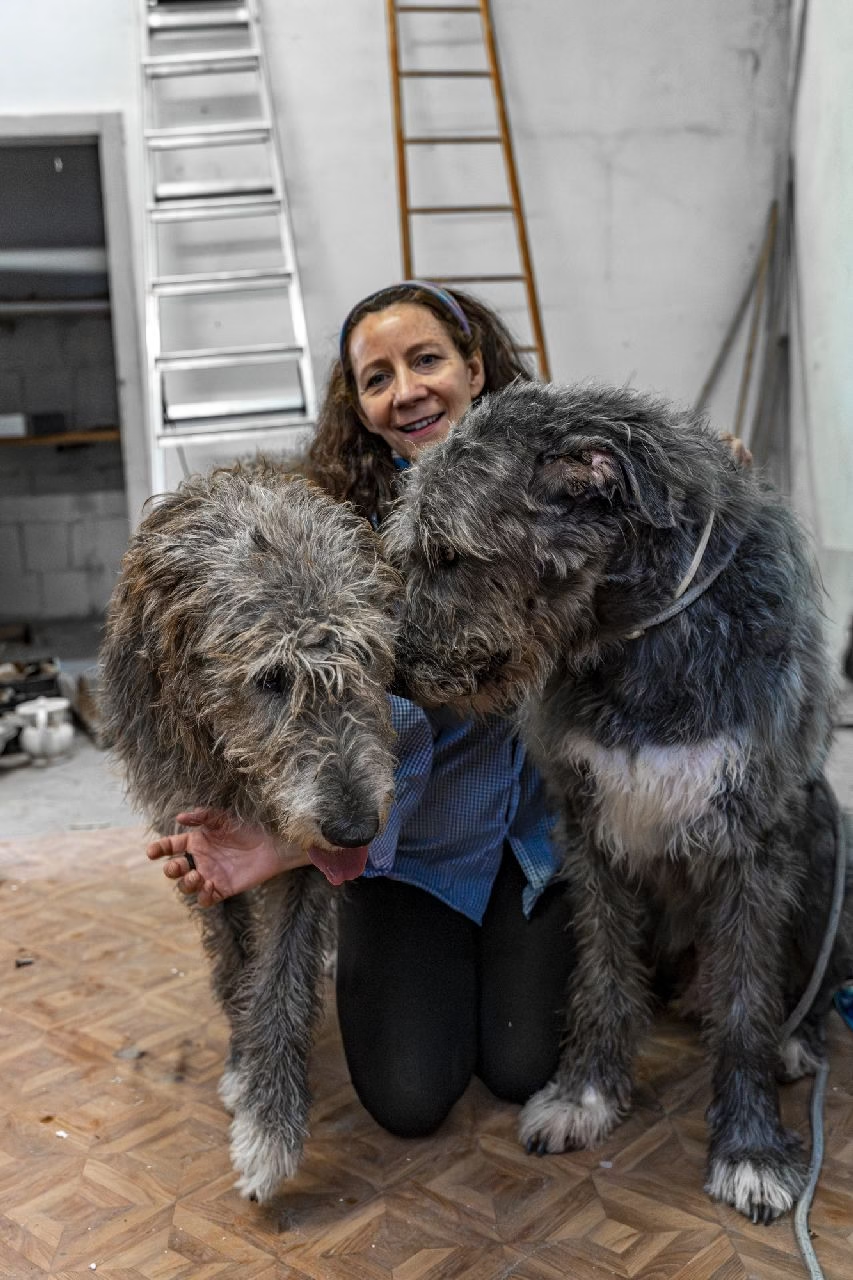
Most pet owners relocating to Colombia face the challenges of navigating regulations, ensuring proper registration, and finding reliable veterinary care. As you prepare for your move, it’s imperative to understand the specific requirements for bringing your pet, including health certifications and vaccination records. Additionally, familiarize yourself with local laws on pet ownership and explore veterinary options to ensure your furry companion receives the care they need. This guide will equip you with the information necessary for a smooth transition for both you and your pet.
Key Takeaways:
- Pet relocation in Colombia requires compliance with specific regulations, including health certifications and import permits.
- Registration of pets is mandatory, and owners must ensure their pets are microchipped and registered with local authorities.
- Access to veterinary care varies by region, with major cities offering more specialized services and clinics.
Types of Pet Relocation
When considering relocating your pet, understanding the different types of pet relocation options is crucial. You can choose between domestic and international relocation, depending on your destination and needs. Each type involves specific requirements and planning. Consider the following:
| Domestic Relocation | Transporting within the same country. |
| International Relocation | Transporting across national borders. |
| Transport Services | Professional movers, airlines, or personal transport. |
| Legal Requirements | Documentation and health checks needed for travel. |
| Pet Safety | Considerations for your pet’s comfort during travel. |
Domestic Relocation
For domestic relocation, you’ll likely have more straightforward logistics. Ensure your pet is comfortable in their travel carrier and familiarize them with the new environment beforehand. Depending on the distance, you may choose to drive or book a specialized pet transport service. Having the proper documentation and vaccinations will streamline the process, making the transition smoother for both you and your pet.
International Relocation
International relocation presents increased complexity and requires diligent planning. You must familiarize yourself with the import regulations of your destination country, including health certificates, vaccinations, and potential quarantine measures. Different countries have various requirements that can affect how you prepare your pet for travel, so ensure you have everything in order before departure.
When relocating internationally, consider engaging the services of a pet relocation specialist. These experts can guide you through the intricate paperwork, liaise with airlines, and provide specific insights pertinent to your destination. Successfully navigating these processes allows for a smoother transition and helps alleviate the stress associated with moving your pet across borders. The key is thorough preparation to ensure the well-being and safety of your furry friend during the journey.
Registration Requirements
To ensure a smooth transition for your pet into Colombia, you must adhere to specific registration requirements. This includes obtaining a rabies vaccination certificate issued at least 21 days before travel, as well as ensuring your pet is microchipped. You’ll also need to apply for an import permit from the Colombian Agricultural Institute (ICA), and this must be done before your arrival in the country.
Local Regulations
Each Colombian municipality has unique local regulations regarding pet ownership and registration. It’s crucial to check your designated area for specific requirements, such as additional vaccinations or permits. Failing to comply can lead to fines or, in some cases, the inability to keep your pet.
International Documentation
When relocating your pet from abroad, securing the appropriate international documentation is vital. This typically includes a health certificate from a licensed veterinarian, confirming your pet is disease-free. The certificate must be issued shortly before travel, typically within 7 to 10 days. Additionally, the rabies vaccination record is crucial.
International documentation serves as proof that your pet meets all health requirements established by Colombian authorities. You may also need to provide import permits specific to the breed or species of your pet, especially for those considered high-risk. Familiarity with these documents will help you navigate the import process without complications, protecting both your pet and your investment in their relocation.
Veterinary Care Considerations
Taking your pet to Colombia involves several veterinary care considerations to ensure their health and safety during the transition. It’s important to establish a relationship with a local veterinarian who understands both local regulations and the specific needs of your pet. Colombia has a range of veterinary services, including emergency care, so identifying a reliable clinic in advance can provide peace of mind.
Pre-Relocation Health Checks
Before relocating, having a comprehensive health check with your veterinarian is vital. This visit should include vaccinations, parasite control, and a complete physical examination. Your vet will also issue the required health certificate, confirming your pet is fit for travel and free from communicable diseases, which is necessary for entry into Colombia.
Post-Relocation Care
After arriving in Colombia, schedule a follow-up visit with your local veterinarian within the first few weeks. This check-up will focus on any changes in your pet’s health due to the stress of travel or environmental adjustments. Your vet can also help you stay up-to-date on vaccinations and recommend any additional care based on your new location.
Post-relocation care is critical to your pet’s adjustment to their new environment. Often, pets experience anxiety or digestive issues after travel, so having a vet assess these conditions can prevent further complications. Make sure your new vet knows your pet’s medical history and any special requirements, such as dietary restrictions or chronic health conditions, to provide tailored care that meets your pet’s needs.
Step-by-Step Relocation Process
| Step | Description |
| Research | Understand the import regulations and health requirements in Colombia. |
| Documentation | Gather necessary paperwork, including health certificates and vaccination records. |
| Booking | Choose a reliable pet relocation service or airline with pet-friendly policies. |
| Preparation | Prepare your pet for travel with proper training and acclimation to their carrier. |
| Travel | Follow guidelines during the journey to ensure your pet’s comfort and safety. |
Preparing for the Move
Start your preparation by ensuring your pet meets all health requirements, including necessary vaccinations and health certificates, issued by an accredited veterinarian. Acclimatize your pet to their travel carrier well in advance to reduce anxiety. Consider their temperament and make sure they have familiar blankets or toys to ease stress during the transition.
During the Move
On moving day, ensure your pet is secure in their travel carrier. Use a direct flight whenever possible to minimize travel time and change. Keep your pet calm by offering treats and reassuring them with your presence. It’s advisable to avoid feeding them a large meal immediately before travel to prevent motion sickness.
During the move, consider investing in a high-quality, airline-approved carrier that offers good ventilation and enough space for your pet to stand and turn around. Avoid sedating your pet unless specifically recommended by your vet, as sedation can heighten the risk during travel. Instead, focus on preparing them mentally by taking them for short car trips prior to the move to make them used to the process.
Factors Affecting Pet Relocation
Numerous factors influence the efficiency and success of your pet relocation. These factors include the type of pet, travel logistics, and legal requirements that must be adhered to. Understanding these aspects can significantly impact the smoothness of your transition. Breed, size, and individual health characteristics are just a few components that could complicate the process. Perceiving these elements early can save you from unexpected challenges.
Breed and Size Considerations
The breed and size of your pet can directly affect the relocation process. Larger dogs may require specialized crates and additional space during transport, which can raise costs. Some breeds may also face breed-specific regulations or restrictions in Colombia, requiring extra planning. Always check local laws to ensure compliance and avoid legal issues.
Health and Behavior Factors
Your pet’s health and behavior are critical aspects during relocation. Pets with underlying medical conditions might need special care or documentation, and aggressive or anxious pets may need behavioral assessments before travel. Carefully evaluating these traits will aid in determining the best travel companions for a successful experience. Assume that a thorough assessment can prevent unfortunate situations during your journey.
Health issues, such as chronic conditions or behavioral problems, also play a significant role in the relocation process. If your pet requires medication, it’s vital to have a sufficient supply for the duration of the journey and access to veterinary care upon arrival in Colombia. Proper documentation of their vaccinations and health status is necessary to meet regulatory requirements. Assume that you will face fewer complications if you prepare your pet adequately in advance.
- chronic conditions
- behavioral problems
- vaccinations
- health status
Pros and Cons of Pet Relocation
| Pros | Cons |
|---|---|
| Emotional support for you during transition | High costs associated with travel and permits |
| Familiar environment reduces stress for pets | Potential health risks during travel |
| Access to better veterinary care in new location | Adjustment period for pets in new surroundings |
| Strengthens human-animal bond | Legal complications in unfamiliar regulations |
| Increased companionship abroad | Logistical challenges in organizing relocation |
Advantages of Relocating Pets
Bringing your pet with you can significantly reduce their anxiety and stress during a major transition. Familiarity with their owner and environment can help them adapt more quickly to new settings. Additionally, you maintain a close connection with your pet, which can benefit both your mental health and theirs as you settle into a new country. Access to potentially better veterinary care and pet services is another vital advantage that improves your pet’s well-being.
Potential Challenges
While relocating your pet offers several benefits, it also comes with potential hurdles. The process can be complex due to legal regulations and varying health requirements. You may encounter unforeseen costs and logistical issues that can complicate the move. Recognizing these challenges beforehand can help you prepare and manage any obstacles effectively.
Navigating the steps for relocating your pet involves understanding various regulations, including obtaining necessary health certifications and permits, which can be confusing. Transportation logistics, like flights or road travel arrangements, may not always align with your schedule or needs. Moreover, your pet could face health risks during transit, including motion sickness or exposure to extreme temperatures. Dogs and cats may also experience initial behavioral changes as they adjust, prolonging the settling-in period, especially if they are not accustomed to travel. Thus, weighing both sides is vital for a smooth relocation process.
Conclusion
Ultimately, navigating pet relocation, registration, and veterinary care in Colombia requires careful planning and awareness of regulations to ensure your pet’s smooth transition. You must familiarize yourself with the local laws regarding pet registration and ensure your animal receives the necessary veterinary check-ups and vaccinations. By staying informed and organized, you can provide your pet with a safe and healthy environment in their new home.

Hey there! I’m Luciana, a travel writer from Colombia. I focus on places I know and love — mostly Colombia, Central America, and North America.
I’m all about discovering those hidden gems that don’t always make it into the guidebooks — think street food stalls, quiet little towns, underrated hiking trails, and the kind of real-life moments that truly capture what a place is all about.
Whether I’m wandering through vibrant markets in Guatemala, cruising across the deserts of the U.S., or hiking the Andes, I try to keep it real and useful — no fluff, just the good stuff.
When I’m not off exploring or writing about it, you’ll probably find me sipping too much coffee, editing photos, or dreaming up my next trip.
Let’s keep discovering and traveling smarter — one trip at a time.