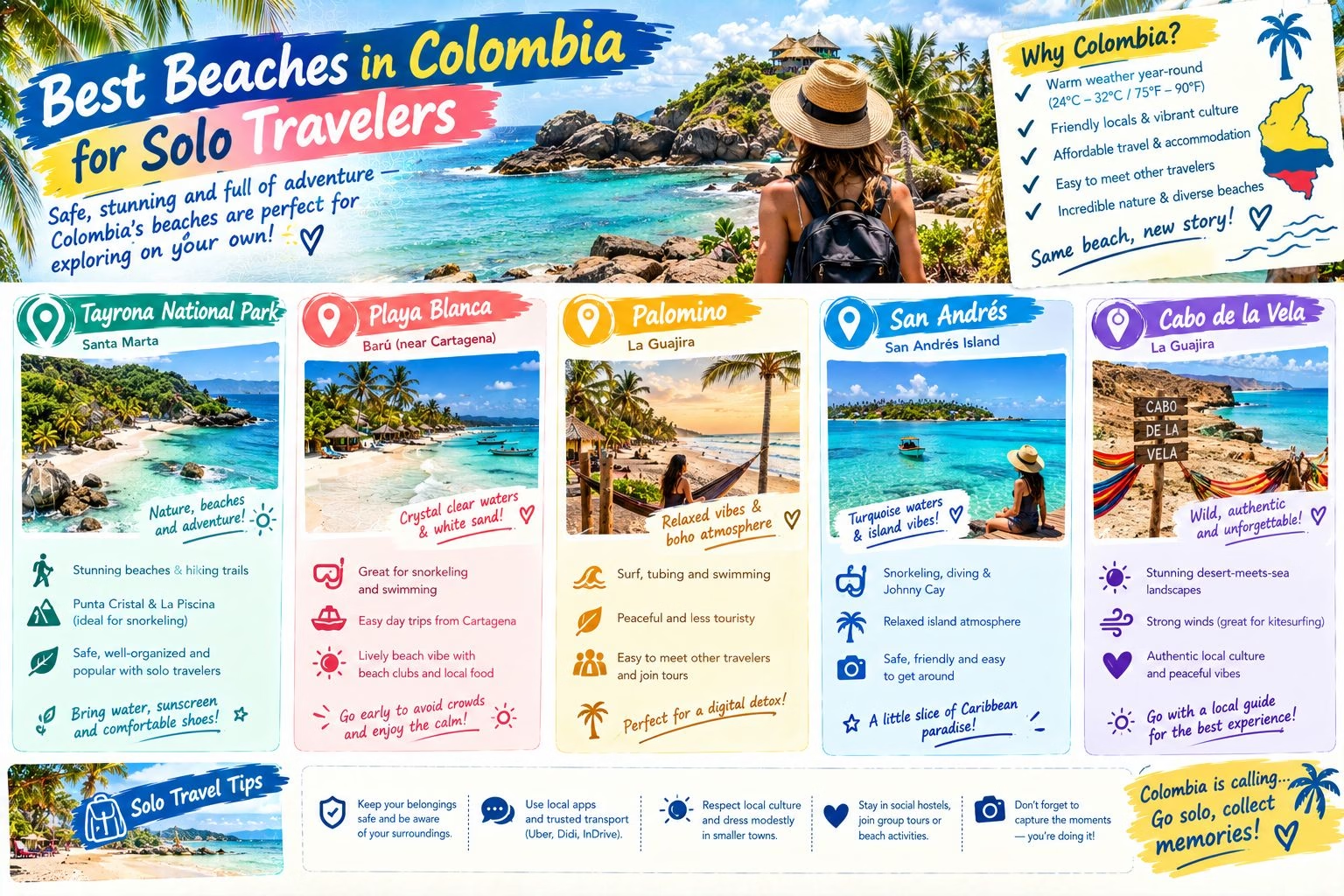
Colombia’s coastline splits into two very different personalities: the Caribbean side, warm, social, and well set up for travelers, and the Pacific side, wilder, wetter, and better suited to a more guided, deliberate visit.
Cabo San Juan, Tayrona National Park
The classic answer to “best beach in Colombia,” dramatic scenery, clear water, and a genuinely strong backpacker scene that makes meeting people easy. Reached via a hike (or a longer boat ride) from the park’s main entrance; see Tayrona National Park’s own guide on this site for full hiking and access details.
Palomino
A laid-back beach town with a real backpacker culture, river tubing, communal hostel dinners, and affordable everything. Genuinely one of the easier Caribbean beach stops for a solo traveler wanting both relaxation and easy social opportunities.
Providencia
Slower-paced and further afield than San Andrés, with excellent snorkeling and a small-island, local feel. Small guesthouses and boat tours create natural, low-pressure ways to meet other travelers, a good pick if Cartagena or Palomino feel too busy.
Playa Blanca (Barú)
An easy day trip from Cartagena via a 1-2 hour boat ride, good for a shorter, lower-logistics beach day rather than a multi-day stay, since the island itself doesn’t have much beyond the beach.
Capurganá and Sapzurro
Reached by boat from Necoclí, these small towns near the Panama border offer genuinely excellent snorkeling and a slow, off-grid pace, with limited services, book accommodation and your return boat ahead of time. Worth knowing: this region sits near an active migration corridor (the Darién Gap crossing) and has visibly felt the effects of that ongoing situation in recent years. The towns themselves remain a legitimate destination, but it’s not a purely idyllic, disconnected beach escape, worth going in with accurate context.
The Pacific Coast (Nuquí and Beyond)
A completely different experience: rainforest meeting ocean, seasonal whale watching (roughly July to October), and near-empty beaches, at the cost of needing guided transfers and reputable eco-lodges rather than independent exploration. Worth it specifically if the Caribbean’s more developed beach-town scene isn’t what you’re after.
Getting There
Tayrona and Palomino are both easily reached via Santa Marta. Playa Blanca is a short boat ride from Cartagena. San Andrés has direct flights, with onward flights or limited ferries to Providencia. Capurganá and Sapzurro require a boat from Necoclí after a bus from Medellín. Nuquí is reached by small plane or boat from Medellín, book well ahead given limited capacity.
When to Go
December to April is the dry season for the Caribbean coast, calm seas and reliable sun, with a secondary drier window in July-August. The Pacific coast stays wetter most of the year regardless, but July to October adds whale watching to the equation, worth the trade-off if that’s a priority.
Safety Basics
Tayrona and Providencia are genuinely safe during the day with strong tourist infrastructure; keep valuables in your accommodation’s safe and carry minimal cash while out. Around Cartagena and Playa Blanca, use official transport rather than street options and avoid walking alone at night in unfamiliar areas. For the Pacific coast, guided transfers and reputable eco-lodges aren’t optional extras, they’re genuinely the way independent travelers safely access this region.
To Wrap Up
Cabo San Juan and Palomino for the easiest, most social Caribbean beach experience. Providencia for a slower, more local island pace. Capurganá and Sapzurro for real snorkeling with accurate regional context in mind. Nuquí and the Pacific coast for something genuinely different, guided rainforest-meets-ocean, if you have the extra time and budget to do it properly.
FAQ
Q: What’s the best beach for a first-time solo traveler?
A: Palomino or Cabo San Juan in Tayrona, both easy to reach from Santa Marta, with strong backpacker infrastructure that makes meeting people simple.
Q: Are Colombia’s beaches safe for solo travelers?
A: Yes, in the established areas (Tayrona, Palomino, Providencia, Playa Blanca), with the same standard precautions, valuables secured, official transport, avoiding isolated areas at night, that apply everywhere in Colombia.
Q: What’s the difference between the Caribbean and Pacific coasts?
A: The Caribbean coast is developed, social, and easy to explore independently. The Pacific coast is wilder, wetter, and requires guided transfers and eco-lodges rather than independent exploration, a genuinely different kind of trip.

I’m Luciana, a travel writer from Bogotá, Colombia, and yes, I know exactly what it’s like to be a solo female traveler in a country the world still misunderstands.
I’ve been travelling independently for 10 years, completing 50+ solo trips across Colombia, Mexico, Central America, Argentina, Peru and the United States. I write in both English and Spanish, and I also contribute to allaboutcolombia.com where I cover my home country in depth — from the coffee region to the Caribbean coast to the Andes.
My speciality is Latin America: the neighbourhoods the guidebooks skip, the buses that are actually fine to take, the hostels that feel like home, and the restaurants where locals actually eat. I’ve hitchhiked across Patagonia, navigated Medellín’s metro system at rush hour, and camped solo in the Sierra Nevada de Santa Marta. I know this region the way you only can when it’s yours.
I also cover the US for solo travelers, having spent time road-tripping through the Southwest, the Pacific Coast and the Deep South.