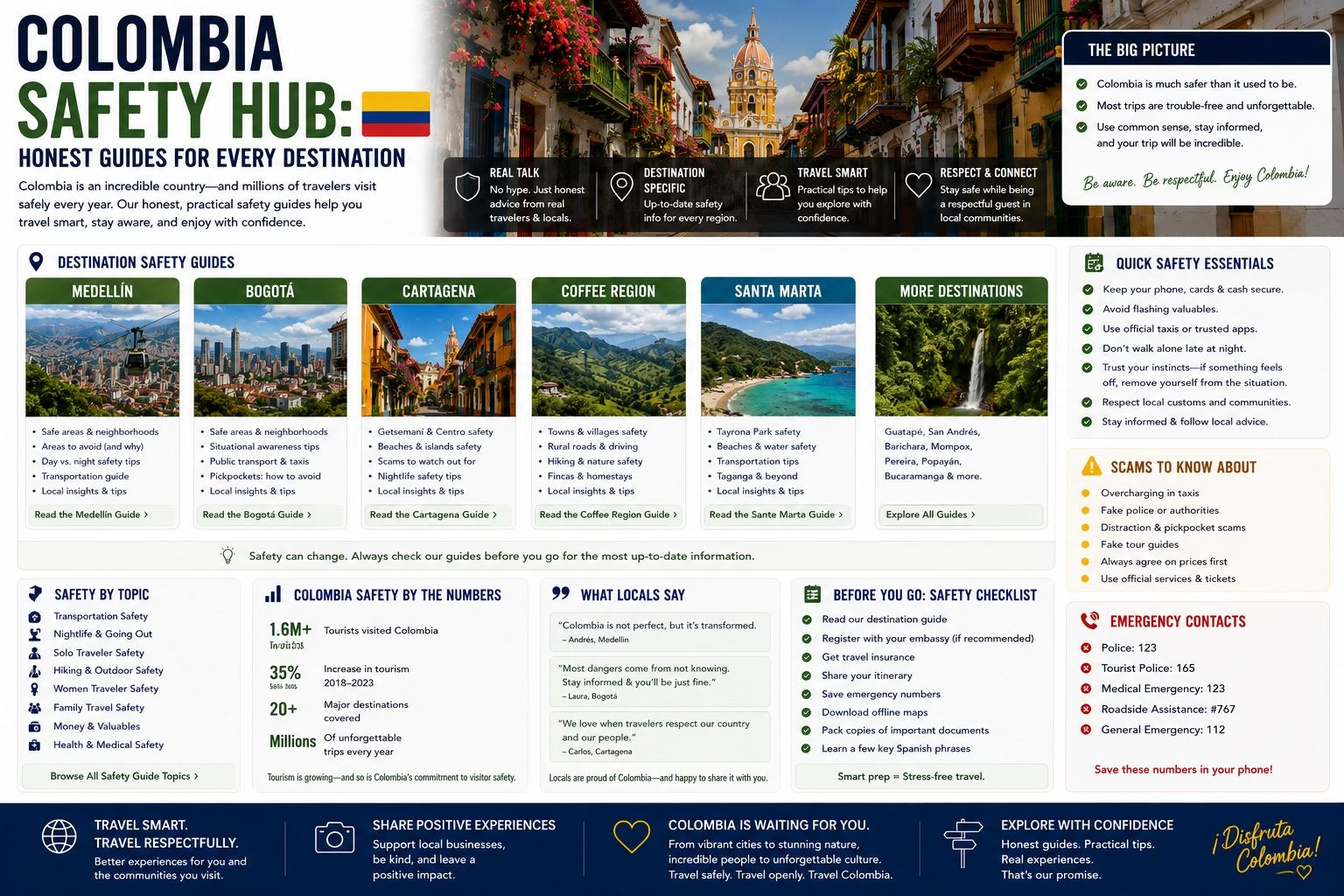
Colombia has one of the most dramatic safety transformation stories in travel history. The country that was genuinely among the most dangerous on earth in the 1990s, at the height of the cartel wars and the FARC conflict, has become one of South America’s most visited tourist destinations. Medellín, which held the title of world’s most dangerous city multiple times during the Escobar years, won the Urban Land Institute’s award for most innovative city in the world in 2013. Cartagena and Santa Marta receive millions of tourists per year. The transformation is real.
The perception gap remains real too. Many international visitors arrive expecting a level of danger that does not match the experience of the tourist areas. Understanding the actual current situation, specifically and by city, is more useful than either the outdated fearfulness or the overcorrected boosterism that characterises much of the available Colombia safety information.
This hub provides the honest, specific picture.
The Actual Safety Situation Today
Colombia has real security challenges. Areas of the country, particularly rural zones where guerrilla groups (ELN) and criminal organisations operate, are genuinely dangerous and off-limits for most tourist travel. The FCDO and State Department advisories reflect these real constraints; the government advice to avoid certain departments and rural areas is correct and should be followed.
Within the tourist areas, however, the risk profile is primarily:
Petty crime: Pickpocketing, phone theft, bag snatching. This is the primary safety challenge in the tourist neighbourhoods of all Colombian cities. Phone theft in particular is extremely common; the phone held in the hand while walking or used openly in crowded areas is the primary target.
Scopolamine (burundanga) drug crime: This is more prevalent in Colombia than in most countries and merits specific attention. Scopolamine is a drug that causes temporary amnesia and impaired decision-making; it is used to facilitate robbery and, occasionally, sexual assault. The drug is administered through drinks, cigarettes, or physical contact. The situations of highest risk are: accepting drinks from strangers in bars, getting into vehicles with strangers, and romantic or social encounters with people met very recently. The scams guide covers this specifically.
Express kidnapping: A crime in which victims are held briefly and their bank accounts emptied via forced ATM withdrawals. More common in Bogotá and Cali than in Medellín or Cartagena; the primary risk scenario involves unofficial taxis or getting into vehicles with strangers. Using app-based ride services (Uber, InDriver, Cabify) essentially eliminates this risk.
Overcharging and tourist fraud: Not a safety issue in the physical sense but financially significant. Menus without prices, overcharging for drugs or services, and various extraction schemes targeting tourists exist throughout the tourist areas. Knowing prices before committing to them is the standard protection.
City-by-City Safety Guides
- Is Colombia safe?: The full country picture
- Is Medellín safe?: City-specific guide with neighbourhood breakdown
- Is Bogotá safe?: City-specific guide with neighbourhood breakdown
- Is Cartagena safe?: City-specific guide
- Is Santa Marta safe?: City and Tayrona specific guide
Topic Guides
- Common scams in Colombia: What to know before you encounter them
- Getting around Colombia safely: Transport safety by mode
- Solo travel safety in Colombia: Specific guidance for independent travellers
- Women’s travel safety in Colombia: Specific guidance and resources
- Safe neighbourhoods by city: Where to stay and where to avoid
The Single Most Important Safety Practice
Use app-based ride services (Uber, InDriver, Cabify) instead of flagging street taxis. The practice of “piranha taxis” (unofficial taxis used to commit express kidnapping and robbery) is documented in all major Colombian cities; the app-based services eliminate this risk by providing accountability, tracking, and fare transparency. This single practice eliminates what is likely the highest-risk scenario most tourists face.
Related: Plan Your Trip | Destinations | Practical Info | Expat Hub