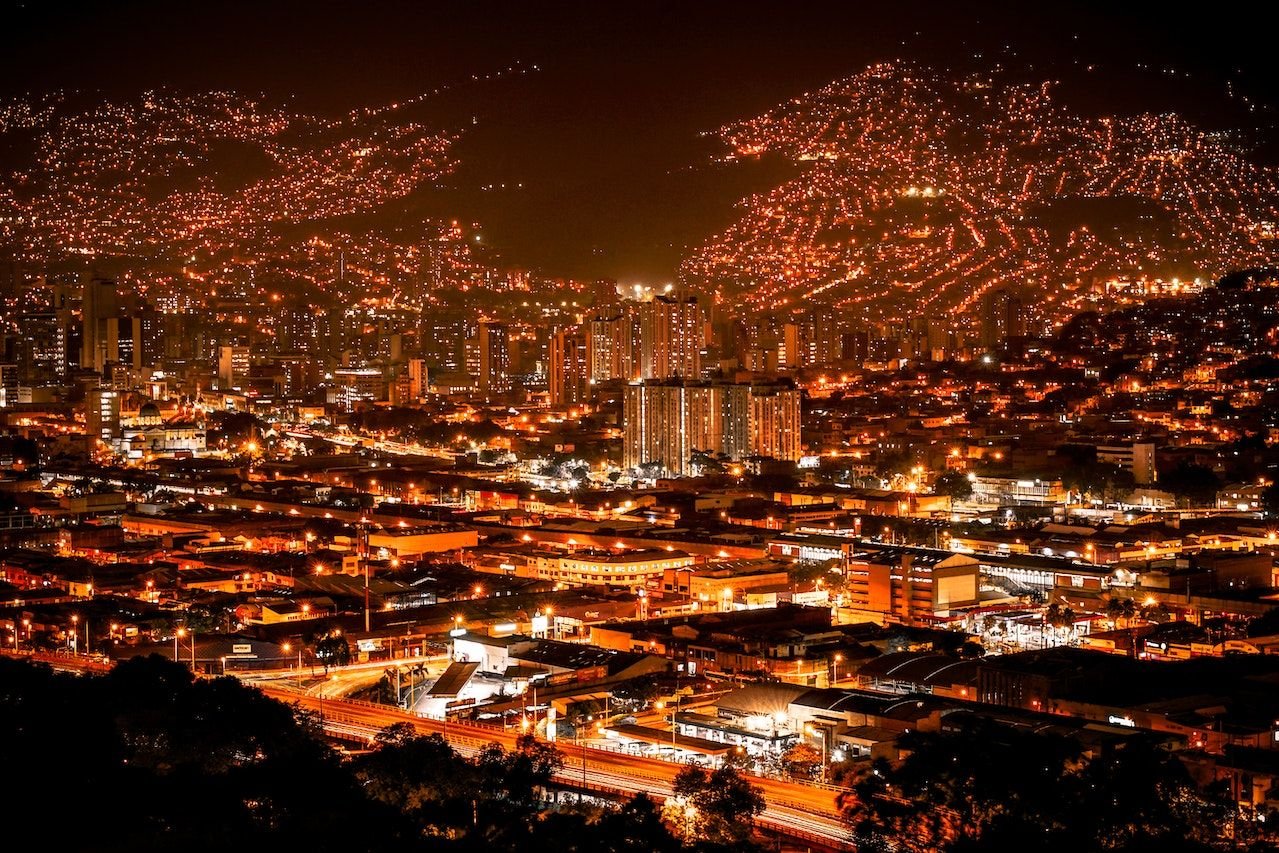
Medellín is the most popular expat destination in Colombia and one of the most popular in South America. The combination of a near-perfect climate, a genuinely developed expat and nomad community, an excellent quality of life at low cost, and a city that is interesting in ways that go beyond its tourist presentation has made it a reference destination in global conversations about where to live and work remotely. This guide covers the practical picture of actually living in Medellín; see the Medellín city guide for the visitor-facing picture.
Why Medellín Specifically
The expat concentration in Medellín is not accidental. Several factors have aligned to produce a self-reinforcing community dynamic:
The climate genuinely is exceptional. Temperatures of 22 to 26°C throughout the year, with evenings in the comfortable 16 to 18°C range, produce a quality of outdoor living that places with more extreme climates cannot match. You can sit at a café terrace every month of the year; you need a light layer in the evenings throughout the year; you never need heating or aggressive air conditioning.
The metro system, the best urban rail system in Colombia, makes the city navigable in a way that most Latin American cities are not. Getting from El Poblado to the historic centre, to the cable car comunas, to the botanical garden, and to the connecting bus terminals takes predictable, comfortable time.
The restaurant and café scene in El Poblado and Laureles has developed specifically to serve the international community alongside the Colombian professional class: specialty coffee, international cuisines, craft beer, good wine lists, and the full range of eating options that long-term residents need.
And the community itself: the accumulated presence of thousands of previous expats and nomads has created a knowledge base, a social infrastructure, and a set of established venues and resources that make arriving in Medellín and getting established significantly easier than in a less-developed destination.
Neighbourhoods for Long-Term Living
El Poblado is where most expats start, and where many stay. See the El Poblado guide for the visitor picture of the neighbourhood. The advantages are clear: everything is close, the English-speaking community is dense, the restaurant and nightlife options are the best in the city, and the safety profile is comfortable. The disadvantages become apparent over time: it can feel like a tourist bubble rather than a real Colombian neighbourhood, the prices are higher than comparable areas in other parts of the city, and the social world is heavily dominated by the expat-tourist intersection rather than by Colombian life.
For a first one to three months, El Poblado is the right starting point; you will find your bearings, build your network, and develop the local knowledge to decide where to live long-term.
Laureles is where many experienced Medellín expats relocate after the El Poblado phase. The neighbourhood is genuinely Colombian: a middle-class residential area with tree-lined streets, local restaurants and bakeries, the Estadio Atanasio Girardot (football stadium) providing a neighbourhood anchor, and a quality of daily life that feels more representative of Medellín than El Poblado does. Prices for equivalent accommodation are 15 to 30 percent lower than El Poblado.
Envigado is favoured by expats who want the lowest cost, a genuinely local experience, and easy metro access to El Poblado when needed. The municipality maintains a very safe reputation and has good infrastructure. See the Medellín neighbourhoods guide for the full comparison of Laureles, Envigado, and the other options.
El Poblado upper residential streets (Las Vegas, Los Balsos) offer a compromise: the El Poblado address with more quiet residential character and better views than the commercial heart of the neighbourhood. Boutique hotels and furnished apartments in this zone are excellent for stays of a month or more.
Finding an Apartment
The furnished apartment market for short to medium-term stays (1 to 6 months) is well-developed in Medellín. Options:
Airbnb: The largest inventory; best for stays of 2 to 8 weeks. Negotiate directly with hosts for monthly stays; the discount from nightly rates is typically 30 to 50 percent.
Facebook groups: The Colombia Expats and Medellín Expats groups on Facebook have active accommodation listings. Local landlords post here and the community vets problematic listings. This route often produces lower prices than Airbnb.
Local property agencies: Several Medellín agencies now specifically serve the expat market with furnished, shorter-term rentals. Services like Roost and similar platforms curate quality inventory and handle the logistics.
Direct rental market: For stays of 6 months or more, the local unfurnished rental market through Colombian real estate agencies (inmobiliarias) produces the lowest prices. Requires the cédula de extranjería, typically a Colombian guarantor or insurance substitute (seguro de arrendamiento), and a longer commitment.
Healthcare in Medellín
Medellín has good private healthcare infrastructure. The main private hospitals (Clínica Las Vegas, Hospital Pablo Tobón Uribe, Clínica del Country) meet international standards for most procedures. English-speaking doctors are findable through the expat community networks and through specific clinic directories.
Private health insurance (prepaid medicina from providers like Sura, Coomeva, or Colmédica) gives access to the private hospital network and typically costs USD 80 to 200 per month for a single adult under 50. The EPS (public health system) is available to legal residents; the quality varies by facility. See the healthcare for expats guide for the full picture across Colombia.
Social Life and Community
The Medellín expat community is large and self-organising. The best access points:
InterNations Medellín: Regular events, a professional network, and a community of longer-term residents rather than just passing tourists.
The Medellín Expats Facebook group: 30,000+ members; the most active English-language community resource in the city.
Language exchanges: Several weekly Spanish-English exchanges in cafés around El Poblado and Laureles; genuinely effective for building Colombian friendships.
The hostel social scene: Even for those not staying in hostels, the organised activities (tours, language exchanges, cooking classes) at the best Medellín hostels function as community events.
Colombian social life: Medellín has a warm and inclusive social culture; through regular Spanish practice, through language exchanges, and through the specific warmth of Antioqueño hospitality, building genuine Colombian friendships is entirely possible and significantly improves the quality of long-term life here.
Practical Medellín: The Things That Take Getting Used To
The cash culture: despite El Poblado’s tourist infrastructure, many daily transactions (local restaurants, markets, transport) still operate primarily or exclusively in cash. Maintaining a cash supply is an ongoing management task rather than a one-time setup.
The noise: Medellín’s social culture is expressed loudly. Weekend nights in El Poblado are genuinely loud; accommodations on the main social streets can be affected by noise from street level until 4 or 5am on Saturday and Sunday nights. Choosing accommodation a few blocks from the main nightlife streets significantly affects quality of sleep.
The altitude adjustment: at 1,495 metres, not high enough for serious altitude sickness for most people but possibly enough to affect exercise tolerance, alcohol processing speed, and energy levels in the first week. Drinking extra water in the first few days helps.
Related: Medellín City Guide | Medellín Neighbourhoods | Cost of Living | Digital Nomad Guide