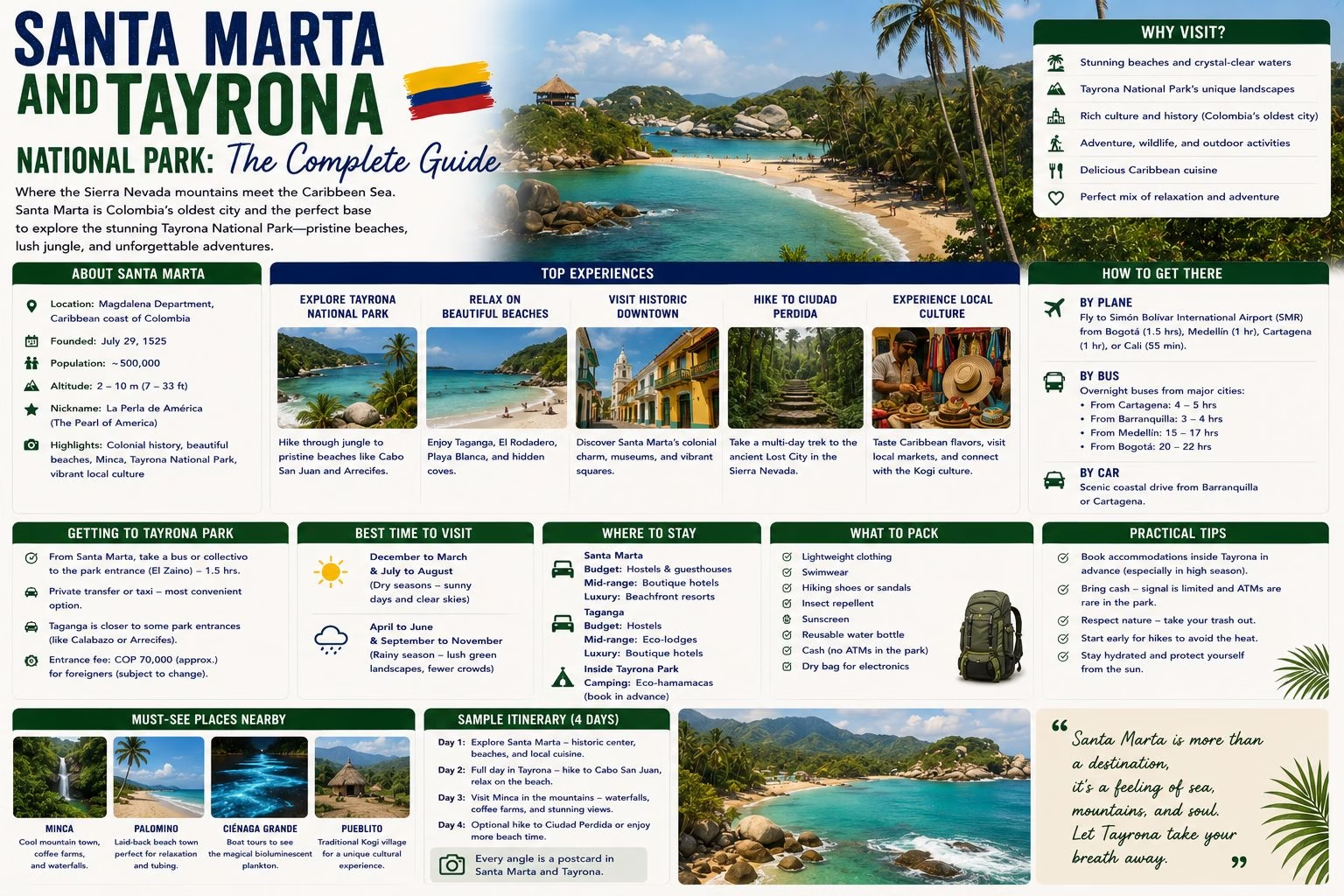
Santa Marta is Colombia’s oldest continuously inhabited city, founded in 1525, and the starting point for one of Colombia’s most extraordinary natural experiences: Tayrona National Natural Park. The combination of a charming mid-sized Caribbean city with the dramatic national park immediately on its doorstep, plus access to the Sierra Nevada de Santa Marta (the world’s highest coastal mountain range), makes the Santa Marta area one of the most rewarding destinations in Colombia.
Santa Marta City
Santa Marta itself is a genuine city of approximately 500,000 people, not a resort or a tourist package. The historic centre, particularly the area around Parque Simón Bolívar and the Cathedral, has colonial architecture and a lively street life that rewards an afternoon of wandering. The Museo del Oro Tayrona, dedicated to the archaeology of the Tairona people who built sophisticated settlements in the Sierra Nevada, is excellent and free.
The Quinta de San Pedro Alejandrino is the estate where Simón Bolívar died in 1830, now a museum; for visitors with an interest in Latin American independence history, it is worth 90 minutes.
Santa Marta’s beach, immediately in front of the city, is not the primary draw; the water near the port is not clean. The appeal is the access it provides to Tayrona and to the Sierra Nevada.
The town of Taganga, 5 kilometres north of Santa Marta on a small bay, is a small former fishing village that has become a backpacker hub with good diving and a relaxed pace. It sits within the wider Caribbean coast that extends well beyond Cartagena and Santa Marta.
Tayrona National Natural Park
Tayrona is the most visited national park in Colombia and one of the most visited in South America. The combination of extraordinary Caribbean beaches set against the dramatic green backdrop of the Sierra Nevada foothills, pre-Columbian ruins of the Tairona civilisation, and access to one of the most biodiverse mountain ecosystems in the world produces an experience available nowhere else on the continent.
Getting to Tayrona: The main entrance (El Zaíno) is 34 kilometres east of Santa Marta on the road toward Riohacha. Shared taxis (colectivos) run from the market area near the old bus terminal in Santa Marta and from Taganga. The journey takes 45 to 60 minutes. Entry requires paying the park admission fee (approximately USD 20, which contributes to park conservation).
The beaches: Access to the main beaches (La Piscina, El Cabo, Cabo San Juan) requires a 45 to 90-minute hike from the park entrance through forest on trails that can be muddy in the wet season. The most famous beach, Cabo San Juan, has calm swimming conditions in the bay behind the headland; the open ocean facing beaches are too rough for swimming but visually dramatic.
Accommodation inside the park: Camping, hammock stays (hamacas), and some simple cabin accommodation is available inside the park at several locations. Staying overnight allows you to experience the park in the early morning and late evening, when most day visitors have left and the wildlife (particularly birds and howler monkeys) is most active. Book in advance; the park fills up on weekends and during Colombian holidays.
The park’s closure periods: Tayrona has a mandatory closure period, typically in February and June or July, to allow the ecosystem to recover. The specific dates vary; always check before planning. Some specific beach areas within the park may also have restricted access during part of the year.
Safety note: Swimming at some Tayrona beaches, particularly on the exposed Pacific-facing side of headlands, carries a serious drowning risk from strong currents and waves. Pay close attention to the local guides’ advice about which areas are safe to swim. Several deaths per year occur at Tayrona beaches, almost all from swimming in unsafe areas. See the Santa Marta safety guide for the fuller picture.
Minca: Cloud Forest in the Sierra Nevada
30 kilometres south of Santa Marta and accessible by motorcycle taxi or jeep from the city, Minca is a small cloud forest village at approximately 650 metres in the Sierra Nevada foothills. The contrast with the hot Caribbean coast is immediate and dramatic: the temperature drops, the vegetation changes completely, and the bird life is extraordinary.
Minca is known for coffee farms in the surrounding hills, a series of waterfalls accessible on hiking trails, and some of the best birdwatching in Colombia. The village itself has a cluster of hostels and guesthouses, good vegetarian food options, and a relaxed multi-day staying culture that has developed around the hiking and birding opportunities.
Day trips from Santa Marta are possible; staying 2 to 3 nights produces a much richer experience of the Sierra Nevada foothills.
The Ciudad Perdida (Lost City) Trek
The most demanding and most rewarding hiking experience in Colombia. The Lost City (Teyuna in the Tairona language) is a pre-Columbian city built by the Tairona people between the 9th and 14th centuries, predating Machu Picchu by several centuries. Set deep in the jungle of the Sierra Nevada, it is accessible only by a 4 to 6-day guided trek that covers approximately 46 kilometres through river crossings, steep jungle trails, and indigenous Kogi and Arhuaco communities.
The trek departs from the town of El Mamey, about 40 kilometres from Santa Marta. All treks must be done with a licensed tour operator (an independent trek is not permitted); several reputable operators run departures most days. Current prices range from approximately USD 300 to 500 per person for the full trek including all meals, accommodation in camp, and guides.
The physical demands are genuine: the jungle heat, the steepness of the trails, and the length of the days require reasonable fitness. The experience of arriving at the terraced city on the slopes of the Sierra Nevada is described by virtually everyone who has done it as one of the most memorable experiences of their Colombia trip.
Best Time to Visit Santa Marta and Tayrona
The dry season (December to April) offers the best conditions for Tayrona: dry trails, clear water for snorkelling, and the most accessible beach conditions. The park is also at its most crowded during this period.
The wet season (May to November) brings daily rain and can make the Tayrona trails muddy and slippery; some beach areas become less swimmable. Bird life is at its most active in the wet season, which makes Minca particularly rewarding.
Related: Caribbean Coast | Safety: Santa Marta | Destinations Hub | Plan Your Trip
The Decision: Cartagena vs Santa Marta
The most common itinerary question for visitors planning to include the Colombian Caribbean is whether to visit Cartagena, Santa Marta, or both. Both require travel and the route between them (2.5 to 3 hours by bus or shared taxi) is easy enough to make the “both” answer logistically feasible. The relevant consideration is what each offers that the other does not.
Cartagena provides colonial architecture at its most spectacular, a UNESCO Walled City, the best restaurant scene on the Colombian Caribbean, and immediate beach access via day trips to the Islas del Rosario. It does not have Tayrona, Minca, or the Sierra Nevada.
Santa Marta provides Tayrona National Park (arguably the most spectacular nature within a short drive of any major Colombian city), the cloud forest of Minca, and access to the Ciudad Perdida trek. The city itself is pleasant but architecturally ordinary compared to Cartagena.
For a first Colombia trip with 10 to 14 days total: choosing one and doing it properly is better than doing both quickly. For visitors specifically interested in nature and wildlife: Santa Marta. For visitors specifically interested in culture, food, and colonial aesthetics: Cartagena. For visitors with 14 or more days who want both: the bus between them takes under 3 hours and the two-city Caribbean combination is entirely feasible.