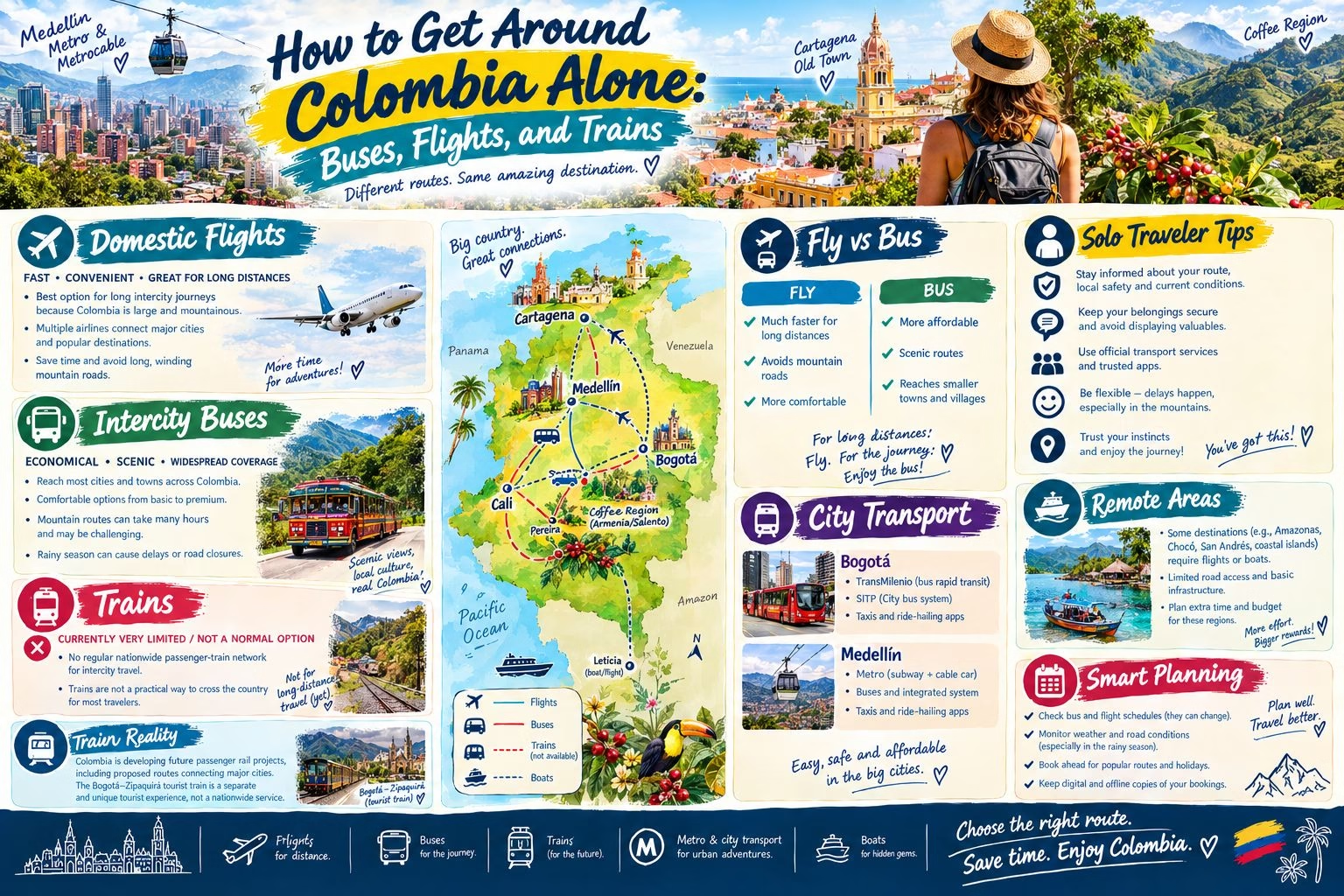
Getting around Colombia solo comes down to three real options: buses for affordability and frequent connections, domestic flights for speed on longer routes, and app-based rides or shared vans for local and regional hops. Passenger trains, worth ruling out early, essentially don’t exist for point-to-point travel in Colombia; rail infrastructure here is built for freight, with only occasional scenic tourist trains near Bogotá and in the Coffee Region.
Buses: The Default for Overland Travel
Long-distance buses are the most common way to move between Colombian cities, and genuinely reliable on the main routes. Major companies include Bolivariano, Expreso Brasilia, and Copetran, alongside smaller regional operators for less-traveled routes. Buy tickets at a city’s main terminal (Terminal de Transporte) or through apps; booking ahead matters during holidays and long weekends.
For overnight or longer routes, look for cama or semi-cama seating, reclining seats genuinely worth the small upcharge on anything over a few hours. Stick to official terminals and well-known operators rather than unmarked minibuses, and prefer daytime travel on unfamiliar or rural routes, since heavy rain and occasional landslides during the wet season can affect road conditions and schedules.
Domestic Flights: Worth It on Longer Routes
For distances where a bus would eat a full day or more, Bogotá to Cartagena or Medellín to Leticia for instance, a domestic flight is the practical choice. Avianca and LATAM Colombia are the two full-service carriers with the widest network; Wingo is the main budget option; Satena serves smaller regional airports, including remote destinations like Leticia and parts of the Amazon and Pacific coast that other carriers don’t reach.
Check baggage allowances before booking, since budget fares often charge separately for checked bags. Arrive 60-90 minutes before a domestic departure, and build in buffer time for connections, since weather (particularly around Bogotá’s altitude and the mountainous interior) can cause delays.
Getting Around Within Cities
Medellín’s metro, combined with its Metrocable cable car lines, is genuinely excellent, clean, fast, and the best way to move around the city, including up into the hillside comunas. Bogotá’s TransMilenio bus rapid transit system is fast and cheap but gets seriously crowded at peak hours. For anything beyond a short walk or a straightforward transit hop, app-based rides (Uber, Cabify, InDriver) are the standard recommendation over street taxis in every major city, for both convenience and safety, since they log the driver, route, and fare automatically.
Coastal Connections: Cartagena and Santa Marta
The Cartagena-Santa Marta corridor runs primarily by road, with several reputable bus companies and private shuttle options. Book ahead during high season, and avoid overnight services on lesser-known operators. Boats and launches serve nearby beaches and parts of the Tayrona area, but schedules shift with weather conditions; check crossings the day before rather than assuming a fixed timetable, and avoid traveling by sea after dark.
Reaching Remote Destinations
The Amazon (via Leticia) and parts of the Pacific coast are reached through a combination of regional flights, riverboats, and local guides rather than any standard bus or flight route. Arrange these transfers through trusted local operators, pack light given strict weight limits on small aircraft, and build in contingency time, weather-related delays are common and not something a fixed itinerary can plan around.
Practical Solo Travel Habits
- Keep your passport, cash, phone, and chargers in a daypack you keep with you; check larger bags rather than carrying everything.
- Photograph your luggage and ticket confirmations before you travel, useful if anything goes missing.
- After a late arrival, wait inside the terminal or airport for an official taxi stand or a pre-booked pickup rather than negotiating with drivers on the street.
- Keep a screenshot or downloaded copy of tickets and confirmations in case you lose signal.
To Wrap Up
Buses cover affordability and frequency, flights save real time on longer or remote routes, and app-based rides handle everything local. Combining these three, rather than relying on just one, is how most solo travelers actually get around Colombia efficiently and safely.
FAQ
Q: What are the best bus options for solo travel around Colombia?
A: Bolivariano, Expreso Brasilia, and Copetran are the major companies for long-distance routes; buy tickets at official city terminals or through booking apps, and book ahead around holidays. For overnight routes, cama or semi-cama seating is worth the upgrade.
Q: Which airlines actually operate domestic flights in Colombia?
A: Avianca and LATAM Colombia are the main full-service carriers, Wingo is the budget option, and Satena serves smaller regional airports including remote Amazon and Pacific coast destinations. (Viva Air, still recommended in some older guides, ceased operations in 2023 and no longer exists.)
Q: Are there passenger trains in Colombia?
A: No, not for regular intercity travel; Colombia’s rail network is built for freight. A few scenic tourist trains run occasionally near Bogotá and in the Coffee Region, but they’re seasonal novelties, not a practical way to get between cities.

I’m Luciana, a travel writer from Bogotá, Colombia, and yes, I know exactly what it’s like to be a solo female traveler in a country the world still misunderstands.
I’ve been travelling independently for 10 years, completing 50+ solo trips across Colombia, Mexico, Central America, Argentina, Peru and the United States. I write in both English and Spanish, and I also contribute to allaboutcolombia.com where I cover my home country in depth — from the coffee region to the Caribbean coast to the Andes.
My speciality is Latin America: the neighbourhoods the guidebooks skip, the buses that are actually fine to take, the hostels that feel like home, and the restaurants where locals actually eat. I’ve hitchhiked across Patagonia, navigated Medellín’s metro system at rush hour, and camped solo in the Sierra Nevada de Santa Marta. I know this region the way you only can when it’s yours.
I also cover the US for solo travelers, having spent time road-tripping through the Southwest, the Pacific Coast and the Deep South.