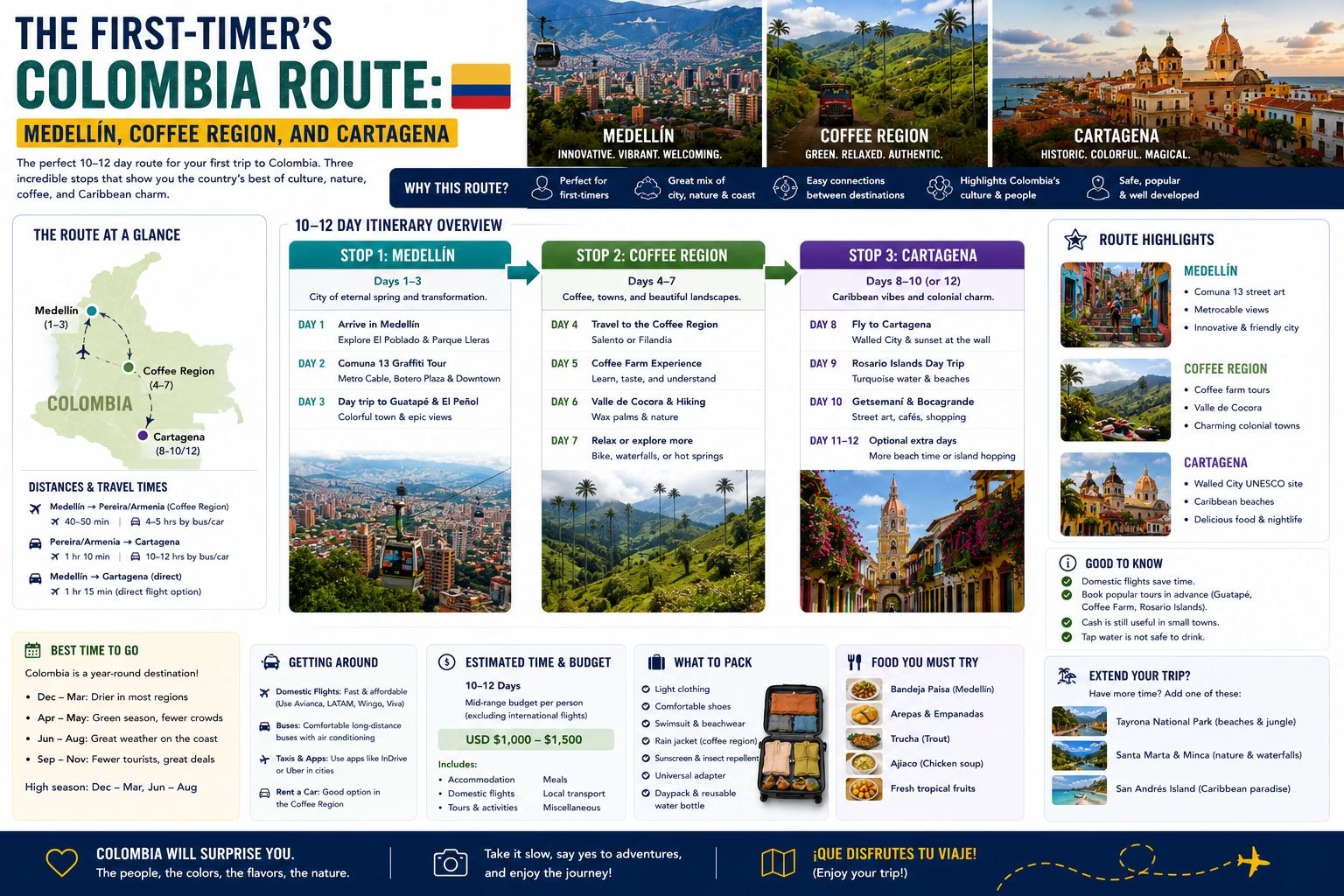
This itinerary is designed specifically for a first visit to Colombia: a 10 to 14-day circuit connecting the country’s three most rewarding first-timer experiences in a logical geographic sequence. It covers the urban transformation story of Medellín, the UNESCO Coffee Cultural Landscape, and the Caribbean colonial beauty of Cartagena, connected by a combination of bus and domestic flight.
Why These Three Destinations
The Medellín, Coffee Region, and Cartagena combination consistently receives the strongest recommendations from Colombia veterans for a first trip. Each provides something the others do not:
Medellín provides the urban story: the transformation narrative, the cable car system and the urban innovation it represents, the food scene and the nightlife, and the easy day trips to Guatapé and the surrounding Antioquian countryside.
The Coffee Region provides the experience that is specifically Colombian and available nowhere else on earth: the UNESCO landscape, the finca visits, the town of Salento, and the Cocora Valley wax palms. Visitors who skip the Coffee Region in favour of a longer beach stay consistently report wishing they had gone.
Cartagena provides the Caribbean dimension: the colonial architecture, the Caribbean heat and light, the Walled City, and the contrast with the Andean interior that gives the circuit its geographical variety.
Day-by-Day Itinerary (12 Days)
Days 1 to 3: Medellín
Fly into Medellín’s José María Córdova airport (MDE). Take the Air Express shuttle bus from outside the arrivals hall to the terminal at Rio Centro in El Poblado; the journey costs approximately COP 12,000 and takes about an hour in normal traffic.
Day 1: Check in to accommodation in El Poblado. Afternoon: walk the neighbourhood, the Parque Lleras area, and get oriented. Evening: try a good neighbourhood restaurant for an introduction to Antioquian food (bandeja paisa if you want the full experience; a good arepas place if you want something lighter).
Day 2: Full cable car day. Metro to Acevedo station, then Metrocable Line K to Santo Domingo Savio (stop and walk around the community), then continue to Arví Park for the forest and the weekend market if applicable. Return via the same route. Evening at leisure in El Poblado.
Day 3: Medellín historic centre. Metro to Parque Berrío. Plaza Botero and the Botero sculptures (free); the Museo de Antioquia (entry approximately COP 20,000). Walk to the covered market of San Alejo if it is a Saturday or Sunday. Return to El Poblado by metro for the afternoon and evening. Optional: book a food tour or cooking class for the evening.
Day 4: Day trip to Guatapé
The bus from Terminal del Norte (Metro Line A north to Niquía, then walk to the terminal) to Guatapé takes 90 minutes to 2 hours. The Piedra del Peñol (740 steps to the summit, extraordinary views), and the colourful town of Guatapé itself. Return to Medellín in the late afternoon or early evening. This is one of the best day trips from any Colombian city.
Days 5 to 8: The Coffee Region
Bus from Medellín’s Terminal del Norte to Pereira (3 to 4 hours, approximately COP 40,000 to 60,000), then a colectivo from Pereira’s central bus station to Salento (60 to 75 minutes, COP 10,000 to 15,000).
Day 5: Arrive in Salento by lunchtime. Afternoon: walk Calle Real, the central square, and climb the 250 steps to the mirador for the valley view. Evening: trout dinner (trucha) at one of the Calle Real restaurants; the coffee at Café Jesús Martín.
Day 6: Cocora Valley. Jeep willy from the main square at 7 or 8am (COP 8,000 to 10,000). The full hiking circuit takes 4 to 6 hours. Hummingbird sanctuary midway; the cloud forest section; the wax palm landscape in the lower valley. Return by afternoon jeep. Evening in Salento.
Day 7: Coffee finca visit. Several operators offer half-day tours departing from Salento; the tour covers the full production process from cherry to cup. Book the previous day or in advance. Afternoon: bus to Filandia (30 to 40 minutes, COP 5,000 to 8,000). Artisan market, the mirador, and the specific character of this smaller Coffee Region town. Return to Salento for the evening.
Day 8: Slow morning in Salento. Bus from Salento to Pereira, then domestic flight from Pereira (EJE) to Cartagena (CTG). The flight takes approximately 1 hour and 20 minutes with a connection or direct depending on the day; fares range from USD 60 to 120.
Days 9 to 12: Cartagena
Day 9: Arrive in Cartagena. Check in to accommodation in Getsemaní or the Walled City. Late afternoon walk along the city walls at sunset: one of the most beautiful urban experiences in Colombia. Evening in the Getsemaní neighbourhood.
Day 10: The Walled City in depth. The church and convent of San Pedro Claver (one of the most significant sites in the Walled City, honoring the priest who devoted his life to the enslaved Africans brought through Cartagena). The Palacio de la Inquisición (history museum). Plaza de Bolívar. The Cathedral. Walk the streets of San Diego in the late afternoon. Evening on the city walls or rooftop bar.
Day 11: Day trip to the Islas del Rosario. The boats leave from the Muelle de los Pegasos near the Walled City, typically from 8am to 10am. Full day on the islands with snorkelling. Return in the late afternoon. Evening in Getsemaní.
Day 12: Castillo de San Felipe de Barajas in the morning (2 hours). Afternoon at leisure: beach at Bocagrande or a final Walled City wander. Late afternoon flight from Cartagena (CTG) back to Bogotá for international connections, or directly home if the routing allows.
Alternative Variations
If 12 days is too tight: Add days to the Coffee Region (a second overnight finca stay is worthwhile) or extend Medellín to add Jardín (a 4-hour round trip, one of the most beautiful towns in Antioquia).
If you want to add Santa Marta and Tayrona: Replace the Guatapé day trip with an overnight extension after Cartagena: fly Cartagena to Santa Marta (30 minutes), spend 2 nights at Tayrona National Park, then fly Santa Marta back to Bogotá or home.
Budget Estimate for the Itinerary (Per Person)
Accommodation (12 nights, mid-range): USD 600 to 900
Food (12 days, mix of restaurants): USD 250 to 400
Internal transport (bus + 2 domestic flights): USD 150 to 250
Activities (cable car, Guatapé, finca tour, Islas del Rosario, Castillo): USD 100 to 180
Miscellaneous: USD 100
Total estimate: USD 1,200 to 1,730 per person, excluding international flights.
Related: One Week in Colombia | Two Weeks in Colombia | Plan Your Trip | Destinations
Adjusting for Accommodation Realities
For each section of this itinerary, the accommodation strategy that works best:
Medellín: Book at least the first two nights before arrival, then extend if wanted. El Poblado has enough supply that same-day or next-day booking usually works for additional nights.
Salento: Book all nights in Salento before the trip if visiting on a weekend; last-minute availability is limited and the good places fill. For weekday visits, 2 to 3 days in advance is usually sufficient.
Cartagena: Book all Cartagena nights before the trip. Good-value accommodation in Getsemaní and the Walled City is available but sells out; last-minute options are limited and the remaining ones are often overpriced.
Budget Reality Check for the Full Itinerary
The estimate of USD 1,200 to 1,730 per person assumes mid-range choices throughout: hostels or guesthouses (not budget dorms but not boutique hotels), eating at good neighbourhood restaurants but not at the top-end tourist restaurants, and doing activities independently rather than on packaged tours.
Travellers who prefer boutique hotels over guesthouses, and who eat at better restaurants consistently, should add USD 400 to 700 to this estimate. Travellers on a tight budget who use hostel dorms and eat corrientazos for lunch can reduce it by USD 300 to 400.
The Cartagena portion of the itinerary is the most expensive part per day, typically 30 to 50 percent above the Medellín or Coffee Region daily cost for equivalent quality accommodation and food.
What You Will Come Away With
First-time visitors who complete this itinerary consistently report the same set of new understandings: Colombia is safer than they expected and requires specific rather than general caution; the Coffee Region is the Colombia experience they did not know they needed and are most likely to return for; Cartagena is more beautiful than photographs convey and more expensive than they budgeted; and the warmth of the Colombian people they met along the route made every practical difficulty easier and every good day better.