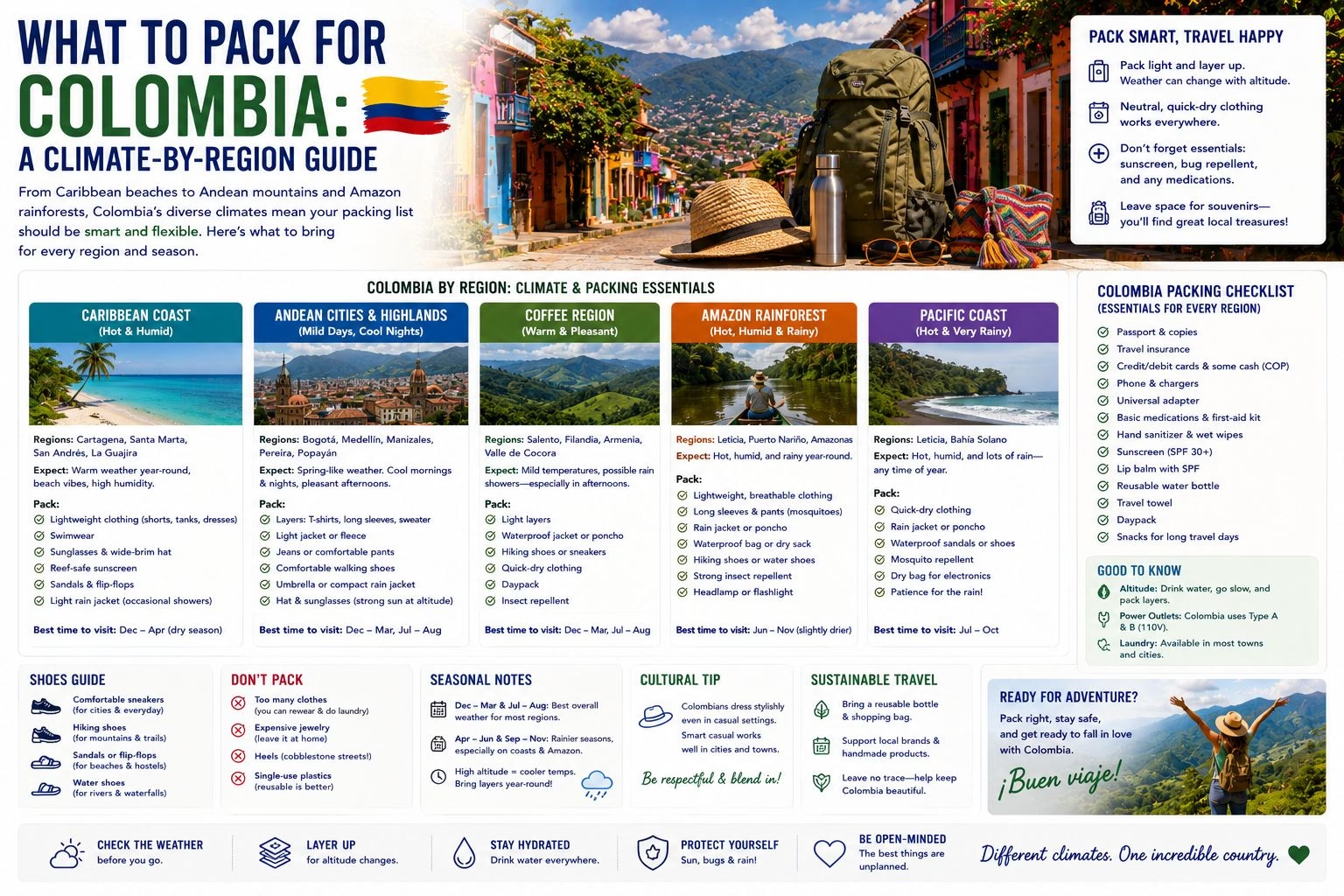
Packing for Colombia requires a different approach from most destinations because the country has multiple distinct climate zones that may all be part of a single itinerary. The coast is hot and humid; the Andean highlands (including Medellín, Bogotá, and the Coffee Region) are mild to cool; the Amazon is hot, wet, and insect-dense. A two-week Colombia trip covering multiple regions requires thinking about each.
Colombia’s Climate Zones and What They Mean for Packing
The Caribbean coast (Cartagena, Santa Marta, Barranquilla): Hot and humid, 30 to 35°C year-round. Lightweight, breathable fabrics are essential. Swimwear, sunscreen, and insect repellent are daily items. Evening temperatures are still warm; one light layer for air-conditioned restaurants is all that is needed.
Medellín and the Aburrá Valley: The “City of Eternal Spring” lives up to its name. Daytime temperatures of 22 to 26°C with evenings cooling to 16 to 18°C. This is the most comfortable climate in Colombia and requires the least specialist packing: jeans, t-shirts, one light layer for evenings and cooler days. Rain is frequent; a packable rain jacket is worthwhile.
Bogotá (2,640 metres): Cold by Colombian standards. Daytime temperatures of 12 to 18°C; evenings can drop to 7 to 10°C. Pack as you would for a cool European city in autumn. A warm jacket, layers, and waterproofing are necessary; the cold is damp rather than dry.
The Coffee Region (Salento, Filandia, 1,800 to 2,000 metres): Similar to Medellín but slightly cooler and significantly rainier. A good rain jacket is not optional here. Afternoons can bring heavy downpours; the hiking trails (including the Cocora Valley) require footwear that handles mud.
The Amazon (Leticia region, at sea level): Hot (30 to 35°C), intensely humid, and insect-dense. Lightweight long-sleeved shirts and long trousers for jungle excursions (reducing both sun exposure and insect bites), high-DEET insect repellent, and waterproof footwear are all essential.
The Essential Packing List
Clothing
Layers are the Colombia traveller’s most important packing principle. A light t-shirt, a mid-layer (lightweight fleece or merino wool), and a waterproof outer layer covers the full range of Colombian highland temperatures and most weather conditions.
For a trip covering both coast and highlands:
3 to 4 lightweight t-shirts or tops; 1 to 2 pairs of lightweight trousers or jeans; 1 pair of shorts or light dress for the coast; 1 warm layer (fleece or thin down jacket) for Bogotá evenings; 1 packable waterproof rain jacket; comfortable walking shoes or trainers; sandals for the coast; sunhat for the coast
For specifically humid coastal destinations: switch the jeans for lightweight quick-dry trousers; add a second pair of sandals.
For specifically Amazon or jungle visits: switch to long-sleeved lightweight shirts; bring high-sided footwear or wellies if doing jungle walks.
Practical Items
Plug adapters: Colombia uses Type A and Type B outlets (the two flat parallel pins and three flat pins, same as the United States). If you are coming from Europe, you need an adapter. Voltage is 110V/60Hz, the same as North America; EU electronics expecting 220V need a voltage converter.
Insect repellent: DEET-based (30 percent or higher) for the Amazon, Pacific coast, and anywhere in the lowlands. Bring from home; reliable high-DEET formulations are harder to find in Colombia.
Sunscreen: Bring from home or buy in the cities. Sunscreen is available in Colombia but quality varies and prices are higher than in Europe or the US.
Rehydration sachets: Useful for any stomach issues and for rehydrating after very hot and humid days on the coast.
A packable day bag: For daily exploration. Keep it simple and unobtrusive; flashy or expensive-looking bags attract more attention in crowded areas.
A physical copy of important documents: Passport, travel insurance, any relevant vaccination records.
Dress Code and Social Expectations
Colombians, particularly in Cartagena and Bogotá, dress relatively smartly for evenings out. Medellín has a vibrant fashion culture. If you plan to go to restaurants and nightlife, one or two smart-casual evening outfits are worth packing.
For visits to churches and religious sites: covered shoulders and knees are respectful and sometimes required.
For business or professional visits: Colombians in business contexts dress formally; jeans and casual wear are not appropriate for office meetings.
What Not to Pack
Colombia is a major country with well-supplied cities. Toiletries, over-the-counter medications, clothing, and most consumer goods are available in Medellín, Bogotá, and Cartagena. Packing these from home adds unnecessary weight.
The single item most worth bringing from home is specialist insect repellent; the specific formulations most effective for high-risk areas are not reliably available in Colombian supermarkets.
Related: Plan Your Trip | Vaccinations | Best Time to Visit | Destinations
Packing for a Multi-Region Trip
The Colombia packing challenge for visitors covering multiple regions is solving the conflict between the coast (where you want light, breathable clothing and swimwear) and the Andean highlands (where you need layers and waterproofing). The solution for most visitors is a lightweight approach that handles the range through layering rather than through separate wardrobes:
The base layer: Lightweight, quick-dry t-shirts or shirts that work in heat. Merino wool is ideal for its temperature range: it works at 28°C on the coast and, layered, at 12°C in Bogotá.
The mid layer: A packable fleece or thin down jacket for Bogotá evenings and the cooler Coffee Region mornings. This item does not need to be fashionable; it needs to be packable and warm.
The outer layer: A packable rain jacket that is genuinely waterproof rather than water-resistant. The Coffee Region and the Pacific coast both require real waterproofing; a light water-resistant shell is not adequate for the afternoon downpours of either.
Footwear resolution: For visits including the Coffee Region (Cocora Valley hiking) and the coast (beach and Walled City), bring one pair of comfortable closed-toe walking shoes adequate for light hiking and one pair of sandals or flip-flops. This is the minimum functional footwear for the range of Colombian environments most visitors encounter.
What to Buy in Colombia
Colombia produces several items that are genuinely excellent and worth buying locally rather than bringing from home:
Colombian coffee, obviously: the Coffee Region towns sell freshly roasted beans at prices far below what equivalent specialty coffee costs internationally. Vacuum-sealed bags travel well.
Leather goods: Colombia, particularly the Bogotá craft market scene and the Cartagena artisan shops, has excellent leather goods at competitive prices.
Mochilas: The woven bags produced by the Wayuu people of La Guajira, and by artisans in the Coffee Region, are genuinely beautiful and functionally useful. The real Wayuu mochilas are hand-woven and take days to complete; the price reflects this.
Hammocks: The Colombian hammock-producing regions (Mompox, the Caribbean coast) produce excellent hammocks at very competitive prices compared to European or North American hammock retail.
These items add to luggage weight; building in space for them rather than arriving with a completely packed bag is the pragmatic approach.