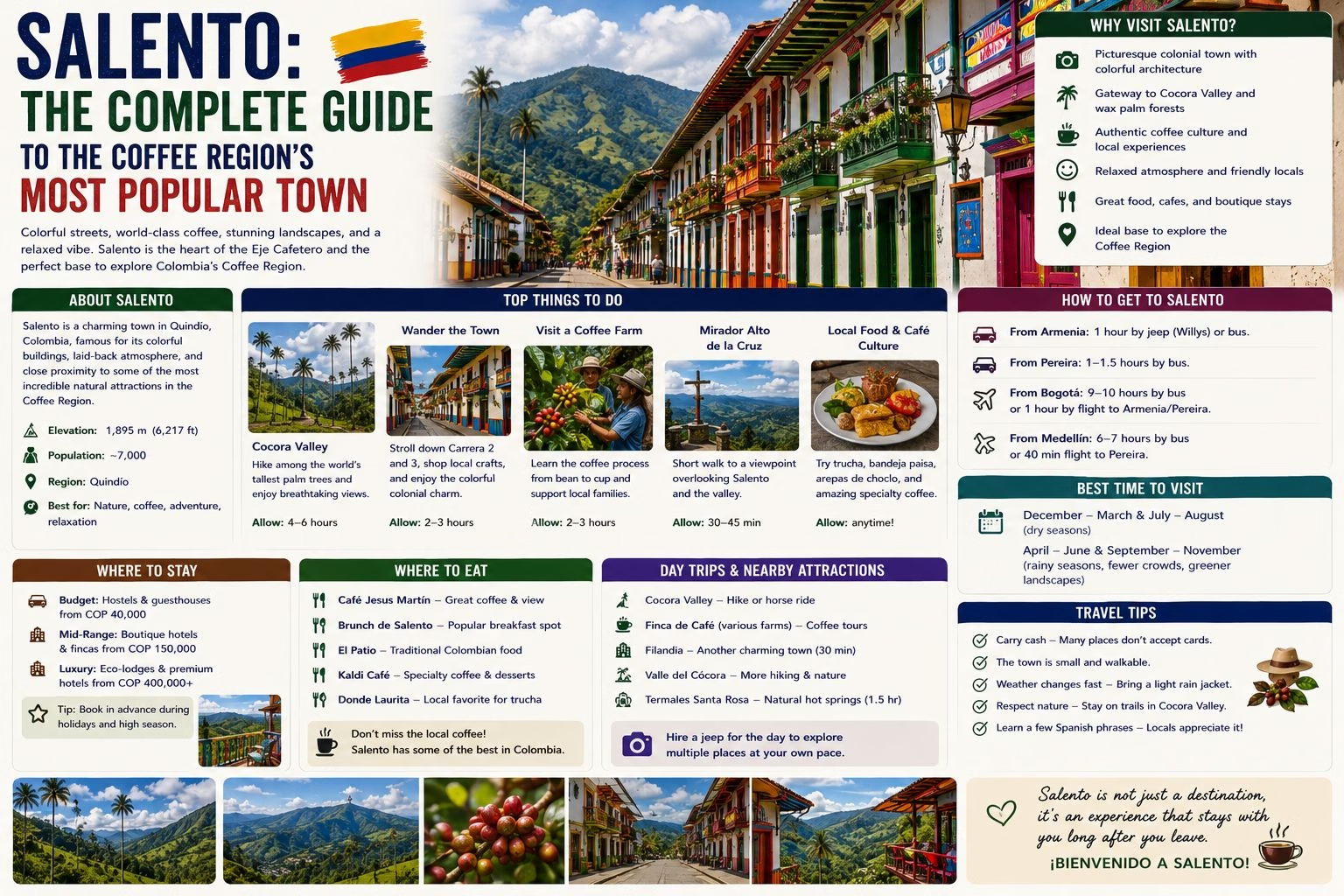
Salento is the most-visited town in Colombia’s Coffee Region and for good reason: it is the most accessible, the most beautiful in its central area, and the best base for the Cocora Valley, the finca visits, and the day trips to Filandia that constitute the essential Coffee Region experience. Understanding what makes it remarkable, and what it is like to spend time there, is the first step in planning a visit that goes beyond a one-night transit stop.
Character and Setting
Salento sits at approximately 1,895 metres above sea level in the western foothills of the Central Andes, in the Quindío department. The town has around 8,000 permanent residents; the visitor numbers on weekends and holidays can approach this or exceed it, fundamentally changing the character of the place. The distinction between a weekday Salento and a weekend Salento is significant: weekdays have the pace and character of a real Colombian town; weekends become something more like a managed tourist experience.
The town centre is compact and immediately striking: the main street (Calle Real) runs uphill from the central square, lined with colourful bahareque houses (traditional Antioquian architecture combining bamboo, mud, and wood in a specific structural system) with carved wooden balconies covered in flowers. The central square (Plaza de Bolívar) is large for a town of this size, with the Iglesia de Nuestra Señora del Carmen on one side and the rows of jeep willys (the vintage Willys Jeeps that serve the surrounding countryside) on the other. The mirador at the top of the 250 steps from the square gives views over the valley and the surrounding coffee-covered hills.
What to Do in Salento
The Cocora Valley: The primary reason most visitors come to Salento. The jeep willys leave from the square every morning from 6am, transporting visitors 15 kilometres up the valley to the trailhead. The hike (5 to 9 kilometres depending on the route chosen) passes through cloud forest, crosses suspension bridges over the valley streams, reaches a hummingbird sanctuary at the cloud forest lodge, and continues through the extraordinary wax palm landscape that makes the Cocora Valley one of the most distinctive visual experiences in Colombia. Full details in the Cocora Valley guide.
Coffee finca visits: Several fincas in the hills surrounding Salento offer tours of varying depth, from 90-minute overview tours to full half-day experiences covering the entire production process. The best finca visits include: walking through the coffee plants to understand how the arabica varieties grow; picking coffee cherries (during harvest season); watching or participating in the wet processing; seeing the drying beds; and cupping (tasting) the finished product. Prices range from USD 15 to 40 per person. The coffee farms guide covers the best options in detail.
Filandia: 25 kilometres from Salento, accessible by bus or shared taxi, Filandia is often done as a half-day trip. The town is smaller and quieter than Salento, with a good artisan market (specifically woven palm goods called Tejeduría) and a lookout point (mirador) with a 360-degree view over the valley. The contrast between Salento’s tourist energy and Filandia’s more local pace is part of what makes the Filandia side trip rewarding.
The Alcázares Arenales biological station: A private nature reserve 3 kilometres from Salento with remarkable bird life, accommodation in simple cabins, and guided birdwatching. The Quindío region is one of the best in Colombia for birdwatching; the biological station provides structured access to this.
Simply being in Salento: The pace of Salento, the quality of the light in the late afternoon, the trout restaurants (trucha is the local specialty: the clear mountain streams of the Andes are perfect trout habitat and the freshwater fish is served grilled, fried, or in stews throughout the Coffee Region), and the evenings around the square: these are the things that explain why visitors who come for two nights often stay for four.
Where to Stay
Salento has accommodation at every price point, from hammock camping on fincas to comfortable boutique guesthouses. The key consideration is whether to be in the town itself or in the surrounding countryside:
In town: Most guesthouses and hostels. Walking distance to the square, the restaurants, and the jeep departure point for the Cocora Valley. The social hostel scene in Salento is good for solo travellers.
On a finca in the surrounding countryside: The most immersive experience of the Coffee Region; accommodation in a working finca guesthouse typically includes meals and access to the farm. More expensive than in-town options but a fundamentally different experience. Several fincas between Salento and the Cocora Valley offer this; book in advance.
Where to Eat
Salento’s food scene is anchored in the Coffee Region’s traditional cooking and in the fresh trout available from the surrounding rivers.
Trucha (trout): The specialty of the region; available at dozens of restaurants on Calle Real and around the square. The freshwater trout from the cold mountain streams is excellent: ask for it grilled (a la plancha) for the simplest and often best preparation.
Bandeja paisa: The definitive Antioquian dish: red beans, white rice, chicharrón (fried pork belly), ground meat, black pudding (morcilla), avocado, fried egg, and an arepa. Enormous, filling, and delicious.
The cafés: The coffee in Salento’s cafés is excellent and cheap; the town’s specific connection to the coffee production visible in the surrounding hills gives it a specific character. Café Jesús Martín, on Calle Real, is consistently recommended for its serious approach to the cup.
Practical Information
Getting there: From Armenia, buses and colectivos run throughout the day to Salento (45 to 60 minutes, approximately COP 8,000). From Pereira, buses run to Salento (60 to 75 minutes). Most buses drop at the main square. Full transport options from Medellín, Bogotá, and Cali are in the getting to the Coffee Region guide.
When to visit: Weekdays are significantly more pleasant than weekends and Colombian holidays. If your schedule allows, plan to be in Salento mid-week.
What to bring: A rain jacket: the Coffee Region can see afternoon rain at any time of year. Good walking shoes for the finca visits and the Cocora Valley. Cash: most smaller restaurants and finca tour operators prefer it.
Related: Cocora Valley | Coffee Farm Visits | Filandia | Coffee Region Hub
The Salento Timing Question
The difference between Salento on a weekday and Salento on a weekend is significant enough to structure a Coffee Region trip around. On a Tuesday or Wednesday, the main square has locals sitting in the afternoon light, the restaurants have space, and the guesthouses operate at comfortable capacity. On a Saturday, the same square fills with Colombian holiday-makers, the restaurants queue, and the jeep willys to the Cocora Valley are packed.
Neither version is bad; they are different. For visitors who specifically want the quiet, authentic-feeling Coffee Region town, weekday arrival and departure is worth arranging if the schedule allows. For visitors who want the full energy of the Colombian domestic tourism experience, the weekend crowds bring a specific liveliness that weekdays lack.
The Cocora Valley is busier at weekends regardless; early starts (7am jeep departure) always produce a quieter first hour in the valley before the main wave arrives. This applies on both weekdays and weekends.
Salento is the anchor for a Coffee Region visit; see the Coffee Region hub for the full picture, or go straight to the Cocora Valley hiking guide and coffee farm visits. For corrections or updates to this guide: contact@allaboutcolombia.com.