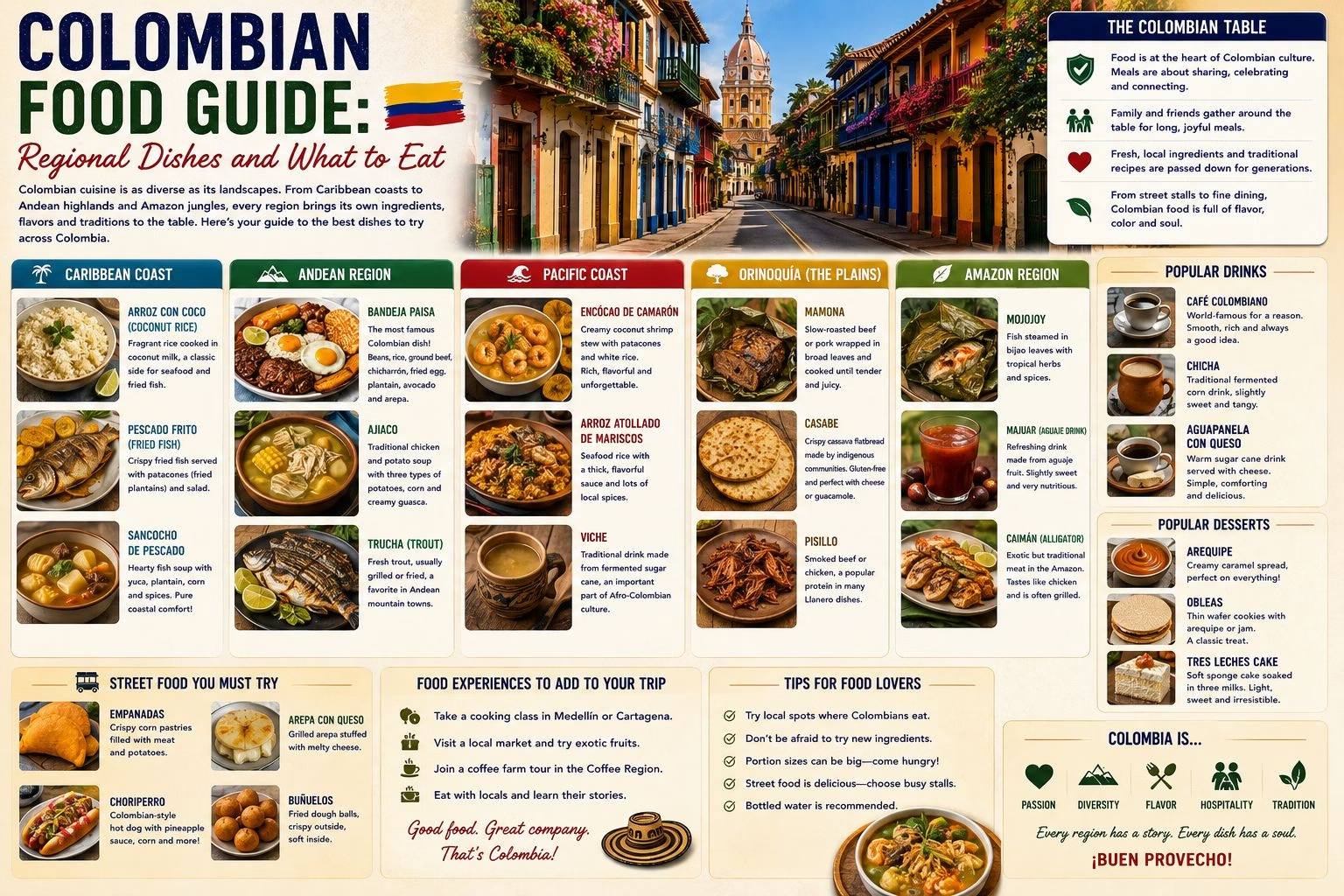
Colombian food is far more diverse than the international reputation of arepas and coffee suggests. The country’s geographical range, from the Caribbean coast to the Andean highlands to the Amazon basin, has produced distinct regional cooking traditions that share some common ingredients (beans, rice, plantain, corn) while differing substantially in flavour, technique, and cultural reference. This guide covers the essential dishes, the regional traditions, and the practical information for eating well in Colombia.
Essential Colombian Dishes
Bandeja Paisa: The most celebrated dish in Colombian cooking, originating in the Antioquia region (of which Medellín is the capital). A single plate contains: red beans cooked with pork, white rice, ground beef (carne molida), chicharrón (twice-fried pork belly), a fried egg, an arepa (corn cake), black pudding (morcilla), avocado, and a plantain. It was the fuel of the working Antioquian farmer; it remains the definitive expression of Antioquian food identity. Order it at a proper Antioquian restaurant rather than a tourist-facing establishment for the authentic version.
Ajiaco Bogotano: Bogotá’s defining dish and one of the most distinctive soups in South America. Made with three types of potato (papa pastusa, papa criolla, and papa nevada, each with a different texture), shredded chicken, corn, and guasca (a herb endemic to the Andes that gives ajiaco its specific, slightly earthy flavour). Served with cream, capers, and avocado on the side. Ajiaco is specific to Bogotá and its surroundings; finding it elsewhere in Colombia is less common.
Sancocho: Found throughout Colombia in regional variations. At its simplest, a hearty soup or stew made with yuca (cassava), plantain, corn, and some combination of chicken, beef, pork, or fish depending on the region. Sancocho de gallina (hen sancocho) is the Andean version; sancocho de pescado (fish sancocho) is typical of the coast; sancocho trifásico uses three different meats. It is Colombian comfort food at its most fundamental.
Arepa: The corn cake that appears with virtually every Colombian meal in some form. Colombian arepas are different from Venezuelan arepas (which are stuffed); the Colombian version is typically a flat, grilled corn cake eaten alongside other foods rather than stuffed. Regional variations: the arepa de chócolo (sweet corn arepa) from Antioquia; the arepa de huevo (egg inside a fried arepa) from Cartagena and the coast; the arepa paisa (plain, thin, white corn) from the Coffee Region; the arepa de chocolo with cheese in the Andean zone.
Empanada: Small, hand-made pastry pockets filled with various savoury ingredients, baked or fried. Colombian empanadas differ by region: the pipián variety (with pumpkin seed sauce) from the Nariño and Cauca regions is uniquely Colombian; the standard filling is beef and potato; coastal versions use fish and seafood.
Patacón: Twice-fried green plantain, pressed flat between frying sessions to produce a crisp, starchy base. Used as a side dish, as a base for toppings (patacón con todo: plantain topped with beef, avocado, and various condiments), or eaten with coastal fish dishes. Among the most commonly encountered foods throughout Colombia and a taste acquired quickly.
Menú del día / Corrientazo: Not a dish but a meal format essential to understanding Colombian food culture. Most local restaurants offer a fixed-price lunch (typically COP 8,000 to 18,000, approximately USD 2 to 4) that includes: soup (sopa), a main course (seco) with protein, rice, and salad, a fresh juice (jugo), and sometimes a small dessert. This is how working Colombians eat lunch; it is an excellent opportunity to eat authentically and very cheaply.
The Regional Overview
Caribbean coast (Cartagena, Santa Marta, Barranquilla): Coconut rice, fresh seafood, more African culinary influence than anywhere else in Colombia. Arroz de lisa (mullet rice), bandeja costeña (a coastal version of the paisa platter with fish rather than pork products), and the extraordinary tropical fruit culture of the coast.
Andean interior (Medellín, Bogotá, Coffee Region): The hearty, potato-and-bean cuisine of the high-altitude farming traditions. Bandeja paisa, ajiaco, various sancochos, and the trout of the coffee-zone streams.
Cali and the Pacific interior: African-Colombian culinary influence is strongest here. Sancocho de gallina, chuletas vallecaucanas (pork chops), cholado (a Colombian snow cone with fruit and condensed milk), and the Pacific coast fish and shellfish preparations.
The Amazon (Leticia): Freshwater fish species not found elsewhere in Colombia; mojojoy (palm grubs, a local delicacy); the extraordinary variety of Amazonian fruits.
Where to Eat in Colombia
Restaurants for travelers: The menú del día at a local restaurant is the best value and most authentic experience of Colombian home cooking. Seek places away from tourist concentrations; the ones with lines of local workers at noon are reliably good.
Markets: The best produce markets in Colombia (Mercado de Paloquemao in Bogotá, Mercado de Bazurto in Cartagena, the various local markets) are extraordinary food environments. Prepared food vendors within markets often serve excellent regional food at very low prices.
Street Food
Colombia’s street food is excellent and, from busy, high-turnover stalls, safe.
Buñuelos (deep-fried balls of cheese bread, crisp outside and chewy within) and empanadas are sold from carts and small stands throughout the day in every city.
Obleas (thin wafer discs sandwiched with arequipe, the Colombian dulce de leche, and toppings like fruit or cream) are a popular sweet snack, especially in Bogotá’s parks and plazas.
Mazorca (grilled or boiled corn on the cob, often with cheese, butter, or a savoury sauce) and chuzos (grilled meat skewers) are standard evening street food in most cities.
On the Caribbean coast, look for arepa de huevo (a fried arepa with a whole egg cooked inside) and fresh fruit carts selling mango, papaya, and other tropical fruit cut to order with lime and salt.
In Cali, try cholado, a fruit and shaved-ice dessert with condensed milk that is particularly associated with the city’s hot climate.
As with any street food anywhere, choosing stalls with visible turnover and a queue of local customers is the most reliable way to eat well and safely.
Related: Colombian Coffee | Food and Culture Hub | Tipping Guide