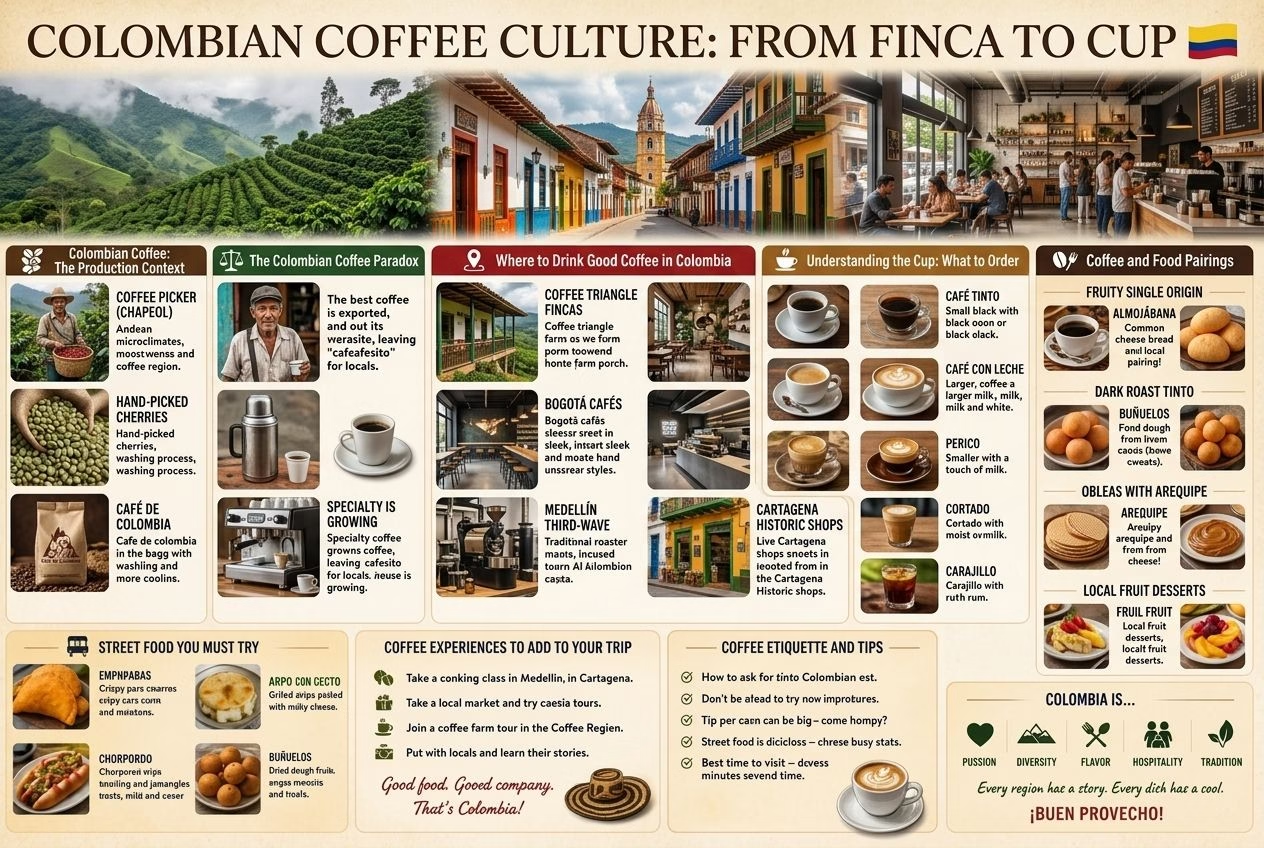
Colombia is one of the world’s most celebrated coffee origins; its arabica coffee, grown in the high-altitude volcanic soils of the Andean ranges, is known for mild acidity, sweetness, and clean flavour. Understanding Colombian coffee, both as a cultural practice and as a product, enriches every aspect of a Colombia visit, from the finca tour in the Coffee Region to the cup of tinto ordered at a Bogotá café.
Colombian Coffee: The Production Context
Colombia produces exclusively washed (wet-processed) arabica coffee; no robusta is grown. The country’s unique geography creates an enormous number of distinct microclimates within the coffee-growing zones: variations in altitude, rainfall, temperature, soil composition, and sun exposure between farms that are kilometres apart produce perceptibly different cups.
The main coffee-growing regions are the Eje Cafetero (Coffee Region: Caldas, Risaralda, Quindío), Nariño, Huila, Cauca, and Antioquia. Each produces coffees with distinct characteristics that specialty buyers and knowledgeable drinkers can distinguish. Nariño and Huila in particular have become celebrated in the specialty coffee world for their exceptional cup quality; the Nariño coffees, grown at very high altitude with significant temperature variation, produce some of the most complex cups in the world.
The Colombian Coffee Paradox
For most of the 20th century, despite producing some of the world’s most celebrated coffee, Colombia consumed primarily low-grade coffee domestically. The best beans were exported; the local market received the defective and below-grade material, ground fine, mixed with panela (raw cane sugar), and served as the tinto: a weak, sweet black coffee that was the universal daily coffee of Colombian life.
This has changed substantially in the past 15 years. A generation of Colombian baristas and roasters, inspired by the global specialty coffee movement, began applying specialty standards to domestic consumption. The result is a thriving Colombian specialty coffee scene, concentrated in Medellín, Bogotá, and the Coffee Region itself, where the same coffees that are celebrated in London, Tokyo, and New York are now available at the source, at extraordinary prices, prepared by people who understand their product.
Where to Drink Good Coffee in Colombia
Medellín: The city that has the most developed specialty coffee scene outside of the Coffee Region itself. Several excellent independent roasters and cafés have appeared in the past decade, particularly in El Poblado and Laureles. Pergamino Café is the most celebrated; Velvet Espresso Bar, Café Devoción, and others maintain consistently high standards.
Bogotá: A growing specialty scene concentrated in Chapinero, Usaquén, and the university areas. Amor Perfecto (which also has a roasting operation) and Café Cultor are consistently recommended; the Zona G restaurant district has several specialty coffee shops.
The Coffee Region (Salento, Armenia): The origin itself. Café Jesús Martín in Salento is the most visited; smaller family operations in the surrounding fincas are even more directly connected to the production. Drinking coffee in Salento from a bean grown on a farm 3 kilometres away, roasted the previous day, is the most direct expression of Colombian coffee culture available. See the coffee farm visits guide to plan a finca tour.
Cartagena: Less developed as a specialty scene than Medellín and Bogotá, but improving. The Walled City has several cafés; Caffé Lunatico and Juan Valdez (the national coffee brand, widely available throughout Colombia) are reliable options.
Understanding the Cup: What to Order
Tinto: A small, strong black coffee, usually served sweetened. The classic Colombian domestic coffee; the standard choice at tiendas and local cafés throughout the country.
Café con leche: Coffee with hot milk; similar to a café au lait. The morning version of the tinto, usually at a café.
Cappuccino / Espresso: Available at specialty cafés and international chain outlets; varies significantly in quality by establishment.
Perico: A small espresso with a little hot milk; similar to a macchiato. More common in some regions than others.
Granizado de café: Cold, often sweet coffee preparation; more common on the hot coast.
Coffee and Food Pairings
The Coffee Region’s culinary tradition pairs coffee with:
Almojábanas: Cheese bread made with corn flour; common throughout the Andean zone; the specific sweetness and density pairs excellently with a tinto.
Pandebono: A cheese bread made with yuca starch and costeño cheese; found throughout Colombia; a classic accompaniment to coffee.
Buñuelos: Fried cheese puffs; the Colombian breakfast standard; paired with hot chocolate as often as with coffee but equally good with either.
Related: Coffee Farm Visits | Coffee Region Hub | Colombian Food Guide | Food and Culture Hub