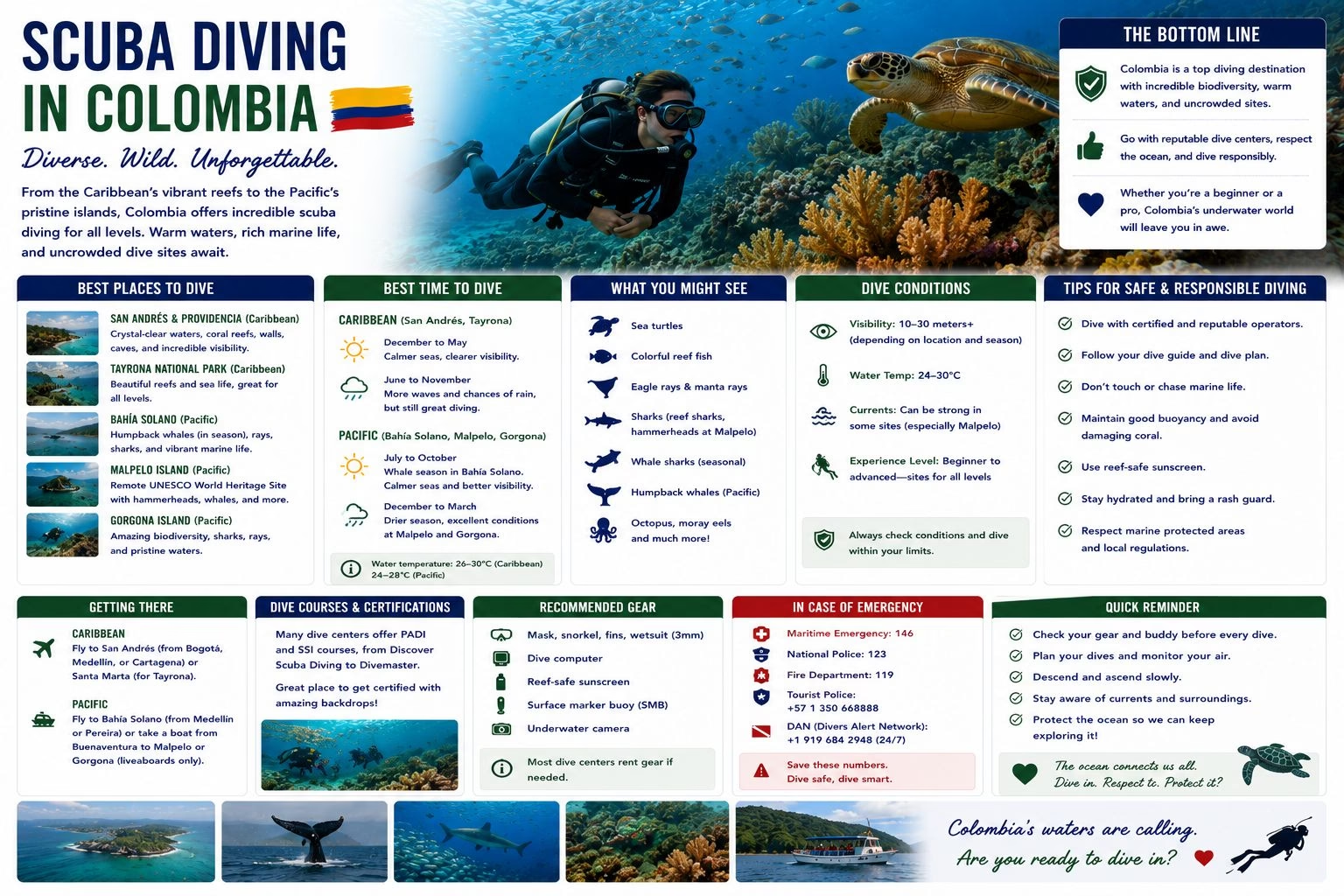
Colombia has coastline on two oceans and a genuinely diverse diving offering as a result: the remote coral atolls of San Andrés and Providencia in the Caribbean, more accessible reef and wreck diving around Cartagena and the Rosario Islands, and cooler, less-visited Pacific diving near Nuquí and Bahía Solano, the same stretch of coast known for whale watching. This guide covers the main diving regions and what to expect from each.
San Andrés and Providencia
The San Andrés archipelago, a Colombian territory in the Caribbean Sea closer to Nicaragua than to mainland Colombia, sits within the Seaflower Biosphere Reserve, one of the largest protected marine areas in the Caribbean. This is Colombia’s premier diving destination: consistently warm, clear water, healthy coral reef systems by Caribbean standards, wall dives dropping to significant depths just offshore, and a lower density of divers than more famous Caribbean destinations.
San Andrés (the main island) has the most developed dive infrastructure: numerous dive shops, a full range of PADI or SSI certification courses for beginners, and reliable boat access to nearby sites. It suits divers who want easy logistics alongside diving.
Providencia, a short flight or ferry from San Andrés, is smaller, quieter, and widely considered to have the better diving of the two: less developed, less crowded, and correspondingly more work to reach. Serious divers who can allocate the extra time and logistics generally prefer Providencia; visitors wanting a simpler trip with good diving as one part of it generally do well with San Andrés alone.
Cartagena and the Rosario Islands
Diving around Cartagena and the nearby Islas del Rosario is more accessible but less spectacular than San Andrés: visibility and coral health are noticeably lower, a function of the sediment from the Magdalena River and the higher boat and tourist traffic in the area. This is a reasonable option for visitors who want to dive as one activity within a broader Cartagena trip without travelling further, or for beginners doing an introductory or certification course who do not need world-class conditions to learn. It is not a destination worth planning a trip around specifically for diving.
Santa Marta and Tayrona
The waters around Santa Marta and Tayrona National Park offer diving comparable in quality to the Cartagena area: accessible, reasonably priced, and suitable for beginners and casual divers, without the exceptional visibility and reef health of San Andrés. Several dive shops in Taganga, just north of Santa Marta, offer some of the least expensive PADI certification courses in South America, which draws a specific budget-conscious backpacker diving crowd.
The Pacific Coast
Diving near Nuquí and Bahía Solano is a different experience entirely: cooler water, lower visibility than the Caribbean, but a chance to see larger pelagic species (rays, occasionally sharks) in a much less dived, less commercialised setting. This is a niche option for divers specifically interested in Pacific marine life rather than classic tropical reef diving, and is generally combined with the region’s whale-watching season rather than done as a standalone trip.
Certification and Costs
Colombia is one of the more affordable places in the world to get PADI or SSI open water certified, particularly in Taganga near Santa Marta, where multi-day certification courses cost meaningfully less than equivalent courses in Europe, North America, or better-known Caribbean diving destinations. San Andrés and Providencia diving (whether certification courses or dives for already-certified divers) costs more, reflecting the logistics of operating in a more remote location, but remains reasonable by international standards.
When to Go
Diving conditions in the Caribbean (San Andrés, Providencia, Cartagena, Santa Marta) are good for most of the year, with the clearest visibility typically in the drier months (December to April). The Pacific coast diving season aligns closely with the whale-watching window (June to October), both a function of the same seasonal ocean conditions.
Safety
Standard diving safety practices apply: dive with a reputable, certified operator, do not exceed your certification level, and ensure travel insurance covers diving-related incidents, including emergency evacuation, particularly for trips to the more remote San Andrés, Providencia, or Pacific coast locations. See the vaccinations guide and general Is Colombia Safe guide for the wider health and safety picture.
Related: Cartagena City Guide | Santa Marta and Tayrona | Whale Watching | Caribbean Coast Guide
For corrections or updates to this guide: contact@allaboutcolombia.com.