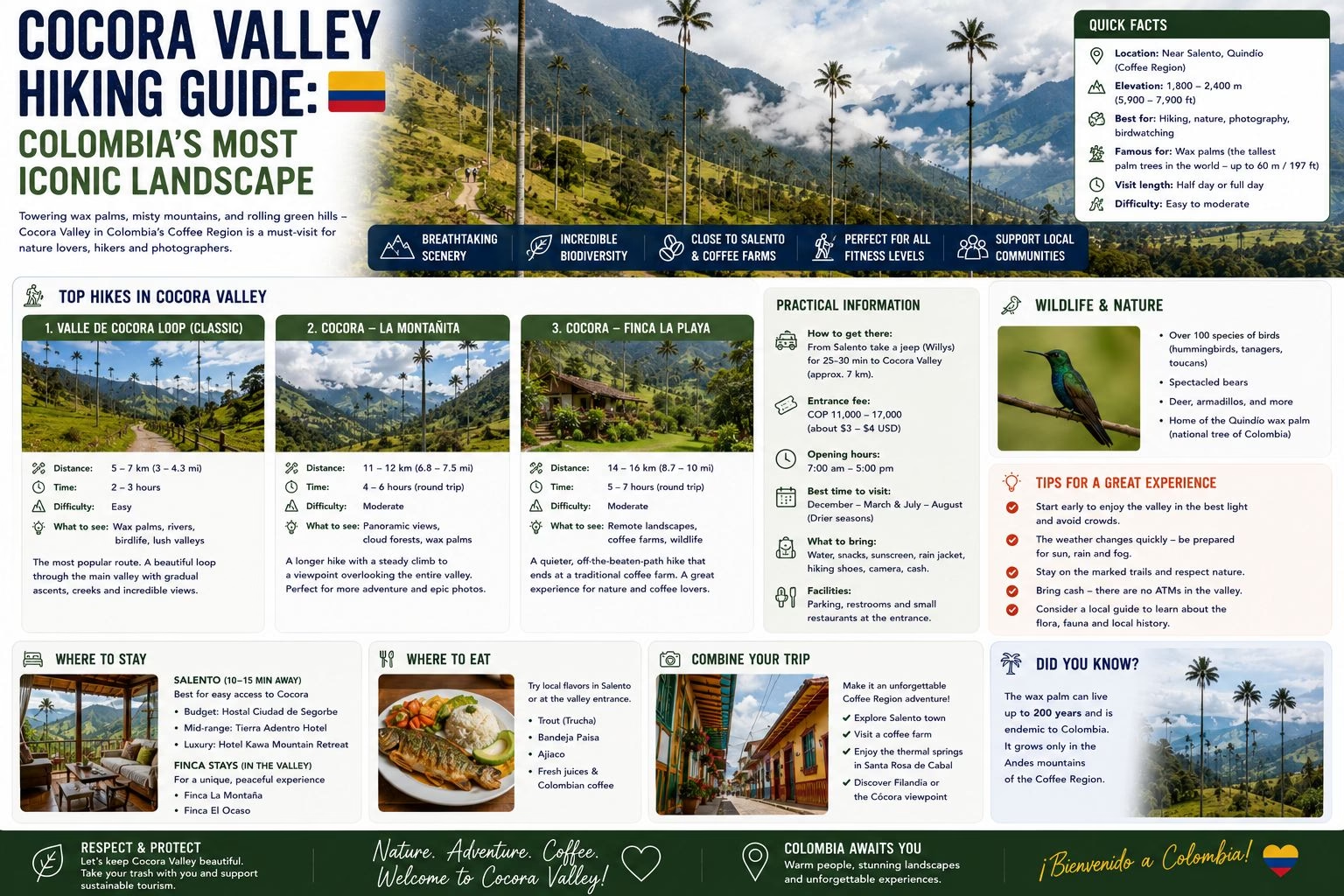
The Cocora Valley is Colombia’s most distinctive landscape and one of the most photographed places in South America. The wax palms, Ceroxylon quindiuense, the national tree of Colombia and the tallest palms in the world, rise 40 to 60 metres from the steep green hillsides of the Quindío Andes in a landscape so visually extraordinary that it consistently appears in descriptions of the world’s most remarkable natural scenes. This guide covers how to get there, the hiking routes, and what to actually expect.
Understanding the Landscape
The wax palms of the Cocora Valley are endemic to a small area of the Colombian Andes and are found nowhere else on earth at this density and scale. The specific combination of altitude (1,800 to 2,400 metres), humidity, and the characteristic mist that rolls through the valley for much of the day produces the conditions in which the palms grow to their extraordinary height. The contrast between the tall palms and the rolling green hills visible between and beneath them is what makes the landscape so striking: it looks like something from a fantasy film, which has made it popular on social media before most international visitors had heard of it.
The valley was originally a cattle-farming area; the palms were preserved because extracting the wax (traditionally used for candles and religious purposes) was more valuable than cutting the trees. The shift to conservation and tourism has occurred over the past 30 years; the wax palms are now legally protected.
The Hiking Circuit
The standard Cocora Valley circuit takes 4 to 6 hours at a moderate pace and is the best way to experience the landscape. It is not technically demanding but involves significant elevation change and can be muddy in wet weather.
Getting to the trailhead: From Salento, the jeep willys (Willys Jeeps) depart from the main square every morning from 6am. The journey to the valley entrance (Valle de Cocora, sometimes called Finca La Montana) costs approximately COP 8,000 to 10,000 per person and takes 30 minutes. The jeeps fill up throughout the morning; earlier departures give you the valley in its quieter morning state before the bulk of day visitors arrive.
The circuit route (clockwise is recommended):
Starting from the Finca La Montana entrance, take the right fork (heading east, up the valley). This section follows the valley floor along the Río Quindío, passing through open terrain with the first palm clusters visible on the slopes above. The path is clear and well-marked.
After approximately 45 minutes, the trail ascends steeply into the cloud forest: the section most visitors find most physically demanding. The forest here, at the transition zone between the coffee zone and the cloud forest, has extraordinary biodiversity; birds, particularly hummingbirds and tanagers, are very active. The ascent takes 45 to 60 minutes.
At the top of the cloud forest climb, reach the Acaime hummingbird sanctuary: a wooden building run by a local family, providing hot chocolate and hot cheese (a traditional Quindío snack) and surrounded by hummingbird feeders visited by multiple species. The hot chocolate break here is one of the specific pleasures of the Cocora hike; the small entry fee (approximately COP 5,000) supports the conservation of the surrounding cloud forest.
From Acaime, the trail descends back through the cloud forest and emerges into the open valley terrain with the most concentrated and dramatic views of the wax palms: tall columns visible at every angle, often with the Andean mist rolling through between them. This section, in the late morning when the light is best and before the afternoon cloud builds, is the defining visual experience of the Cocora Valley.
The trail returns to the Finca La Montana entrance through the palm-filled lower valley. Jeeps return to Salento throughout the afternoon from the entrance point.
Alternative Routes
The basic circuit can be extended or modified:
The longer circuit via Finca El Ocaso: Adds approximately 2 hours by taking a longer route through the cloud forest and visiting a working coffee finca where a brief tour is available. Better suited for those who want a fuller day in the valley.
Staying in the valley: Several accommodation options exist within the valley itself (camping, simple guesthouses at the farm buildings) allowing an overnight stay that provides access to the valley in the early morning and evening, when the light is best and the crowds are absent.
Practical Notes
Weather: The Cocora Valley can receive afternoon rain at any time of year. Starting the hike before 9am typically allows completion of the circuit before the afternoon weather builds. A rain jacket is essential.
Footwear: The trail can be very muddy, particularly after rain. Waterproof boots or trail shoes with grip are strongly recommended; sandals or city shoes are not appropriate.
Physical condition: The hike is accessible to most reasonably fit visitors; the steep section through the cloud forest requires some exertion but is not technical. Allow extra time if you are not accustomed to altitude.
Altitude: The Cocora Valley sits at 1,800 to 2,400 metres. If you are arriving from sea level (Cartagena or Santa Marta), allow a day to acclimatise in Salento before the hike.
Related: Salento | Coffee Farm Visits | Coffee Region Hub | Plan Your Trip
What Makes the Wax Palms Unique
The wax palms of the Cocora Valley, Ceroxylon quindiuense, hold several records that contextualise what you are looking at. They are the tallest palms in the world: confirmed heights of 60 metres are recorded, with some specimens claimed to reach higher. They are the national tree of Colombia, designated in recognition of both their ecological significance and their specific association with the Colombian Andes. And their distribution is extremely limited: this is one of the few areas on earth where they grow in this density and to this size.
The palms grow very slowly; a palm of 40 metres may be 100 years old. The population in the Cocora Valley is considered vulnerable because cattle grazing and habitat change have reduced regeneration; the young palms are browsed by cattle before they can establish, and the adult palms, while protected, are not being replaced at the same rate by new growth. Conservation programmes are addressing this, but the landscape you are walking through is the result of processes that are not guaranteed to continue into the future.
This context is not cause for pessimism; it is cause for appreciating what the Cocora Valley contains while it is as it is, and for supporting the conservation-oriented tourism operations that make the continued protection of the landscape economically viable for the surrounding communities.
The Cocora Valley is usually paired with a base in Salento; see the Coffee Region hub for the full picture, or the coffee farm visits guide to plan the rest of a Coffee Region trip. For corrections or updates to this guide: contact@allaboutcolombia.com.