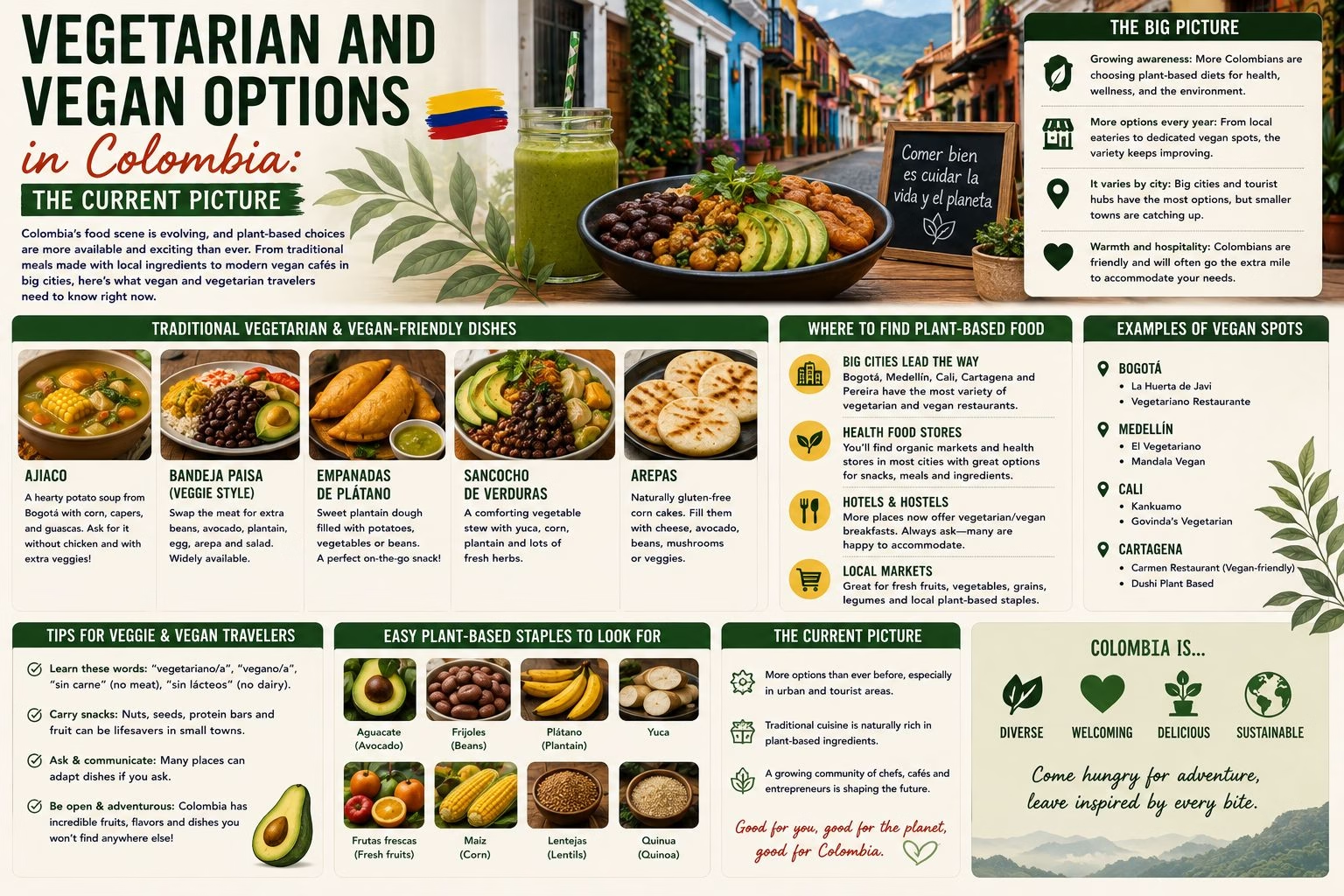
Colombia’s food culture is centred on meat: the bandeja paisa, the grilled chicken of the corrientazo, the beef of the parrilla, and the coastal seafood all assume that the person eating is happy with animal protein. Vegetarians and vegans in Colombia are navigating a food culture that has not historically catered to them, in a country where asking for a meal without meat can produce genuine confusion in some local restaurants.
That said, the situation is significantly better than it was five years ago, and considerably better in the cities than in rural areas. This guide covers the honest current picture.
The Colombians Who Don’t Eat Meat
It is worth understanding that Colombia does have an established vegetarian culture, even if it is not the dominant one. The country has a significant religious community, particularly around the Seventh-day Adventists and some Buddhist groups, with vegetarian practice. The university-educated urban class in Bogotá and Medellín has embraced plant-based eating in growing numbers over the past decade. And the tourist economy has produced a supply response: the main tourist areas now have genuinely good vegetarian and vegan options.
By City: The Honest Picture
Medellín (El Poblado): The best city in Colombia for vegetarian and vegan eating. El Poblado has a concentration of restaurants catering to the international expat and tourist community, and this includes a good number of dedicated vegetarian and vegan options. Pergamino (for breakfast and coffee), Leaf to Go (salads and bowls), and a growing number of plant-based restaurants in the Provenza area of El Poblado cover the bases. Outside El Poblado, options are more limited.
Bogotá (Chapinero and Zona G): The most diverse city in Colombia for all food, which extends to vegetarian options. Chapinero has several dedicated vegetarian restaurants; the Zona G restaurant district has multiple places with substantial vegetarian menus. The Paloquemao market has excellent fresh produce for self-catering. Masa (a bakery and café) and Criterion (fine dining with strong vegetable-forward dishes) are at the higher end; numerous simpler vegetarian spots serve the university community in Chapinero.
Cartagena (Walled City and Getsemaní): Fewer dedicated vegetarian options than Bogotá or Medellín, but increasing. The tourist restaurant concentration in the Walled City means that most menus now include vegetarian options; dedicated vegetarian restaurants are appearing in Getsemaní. The challenge is that “vegetarian option” in Cartagena often means a salad or pasta rather than a genuinely vegetable-focused dish.
The Coffee Region (Salento): Several vegetarian-friendly cafés and restaurants in Salento serve the international traveller community; this is one of the better places in Colombia for vegetarian food outside the main cities. The fresh produce of the Andean highlands (mushrooms, root vegetables, the variety of corn preparations) provides good raw ingredients for vegetarian cooking.
Rural Colombia and smaller towns: Genuinely challenging for vegetarians. The corrientazo (fixed-price lunch) that is the backbone of eating across rural Colombia almost always includes meat as the centrepiece. The phrase “soy vegetariano/a, no como carne” (I am vegetarian, I don’t eat meat) will typically produce a version of the corrientazo with the meat replaced by more rice, more beans, or eggs. Managing expectations in these contexts is realistic; finding excellent vegetarian food is not.
What Is Naturally Vegetarian in Colombian Cooking
Several Colombian dishes and foods are naturally vegetarian and worth seeking out:
Arepas (corn cakes): Naturally vegetarian in their basic form; arepas de chócolo (sweet corn with cheese) are excellent.
Sancocho de verduras (vegetable sancocho): A meat-free version of the standard sancocho; available on request at many traditional restaurants.
Patacones (fried plantain): Always vegetarian; a reliable side or snack throughout Colombia.
Lentil soup (sopa de lentejas): Available at many traditional restaurants; nutritious and filling.
Cholado: The Colombian snow cone from Cali, with shaved ice, fresh tropical fruit, condensed milk, and fruit syrup; vegan if requested without the condensed milk.
The fruit culture of Colombia: The extraordinary variety of tropical fruits available in Colombia, many unknown outside the country (guanábana, maracuyá, lulo, borojo, camu camu, chontaduro), makes fruit and juice consumption one of the specific pleasures of visiting.
Vegan Specifically
Veganism is more challenging than vegetarianism in Colombia because of the ubiquity of dairy: arepas often contain cheese, the corrientazo typically includes a dairy element, and most cafés add milk to coffee unless specifically asked otherwise.
The main cities have dedicated vegan restaurants and the international café culture has produced soy and oat milk options in specialty coffee shops. In smaller towns and rural areas, vegan eating requires self-catering, bringing your own food supplements, or accepting limited options.
Related: Food and Culture Hub | Colombian Food Guide | Plan Your Trip