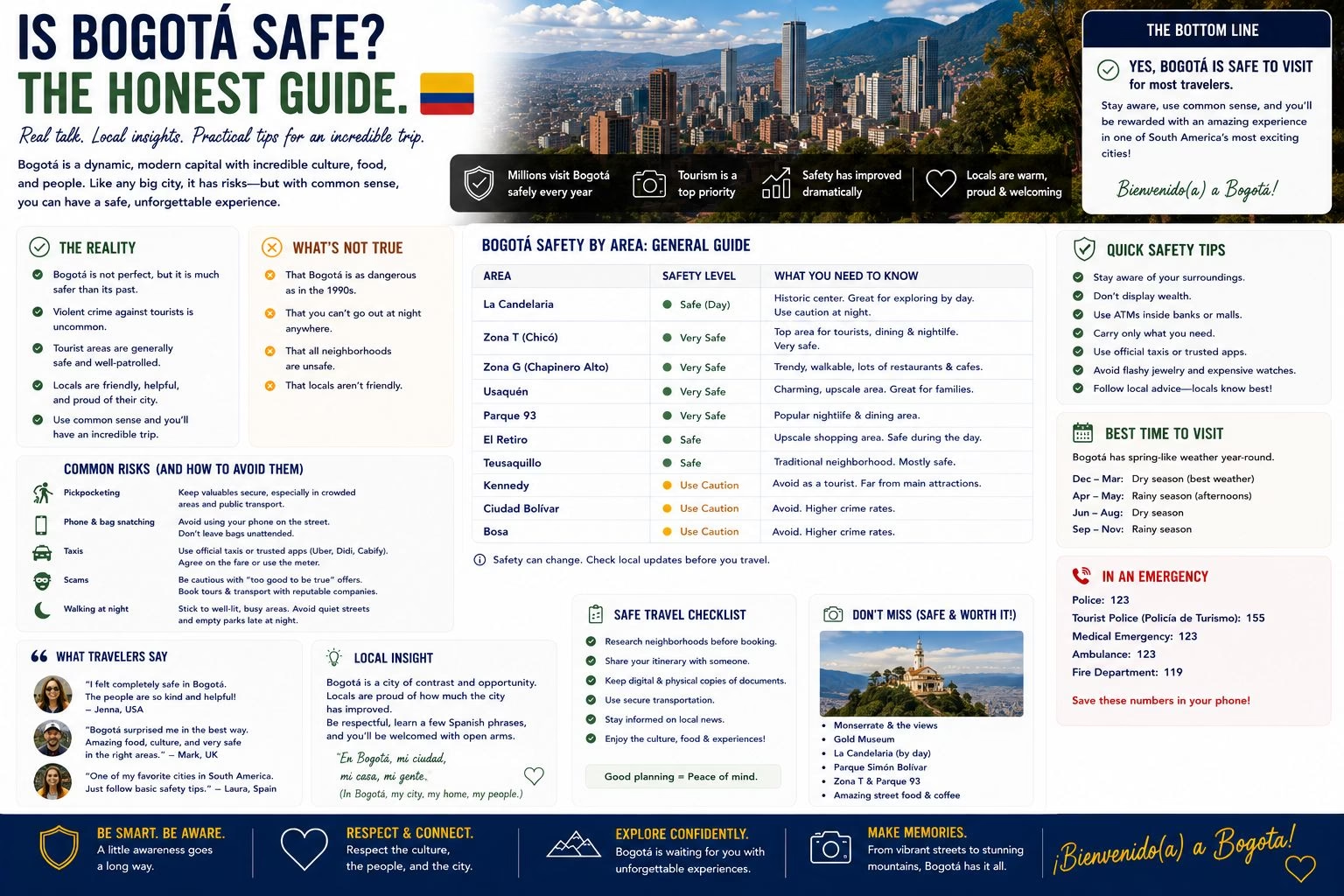
Bogotá requires a somewhat more active safety awareness than Medellín or Cartagena. It is Colombia’s largest city, with the largest population and the greatest internal diversity of neighbourhoods and risk levels. The tourist areas of Chapinero, Zona Rosa, and Usaquén are safe and well-supplied with visitors; La Candelaria is safe during the day and not appropriate for evening walking; some neighbourhoods require active avoidance by visitors without local knowledge. Understanding this geography before arrival is the primary safety preparation for Bogotá.
The Safety Picture by Neighbourhood
Chapinero, Zona Rosa, Zona G: The most visitor-friendly areas of Bogotá. These northern neighbourhoods have good restaurants, hotels, nightlife, and are the most comparable to El Poblado in Medellín in terms of safety and infrastructure. Safe to walk during the day and evening; standard urban awareness applies at night.
Usaquén: A safe, colonial neighbourhood in the north of the city with restaurants, cafés, and the Sunday flea market. Safe to walk during the day and into the evening.
La Candelaria: Safe during business hours on weekdays; the Museo del Oro, Museo Botero, Plaza de Bolívar, and the historic architecture are all accessible and interesting during the day. After dark, La Candelaria empties rapidly and the streets become much less safe; this is the neighbourhood most consistently mentioned in robbery reports from tourists who were out late. Do not be in La Candelaria after 7pm without local accompaniment.
The Mercado de Paloquemao area: Active and safe in the morning (7am to noon) when the market is at peak operation. Conditions deteriorate in the afternoon as the market closes; plan your visit for the morning.
Areas to avoid: Several peripheral neighbourhoods of Bogotá have high crime rates that make them inappropriate for tourist visits without strong local knowledge. Follow the guidance of your accommodation staff for any area beyond the standard tourist circuit.
The Express Kidnapping Risk in Bogotá
Bogotá has a more documented history of express kidnapping via unofficial taxis than other Colombian cities. This crime pattern, in which a victim gets into an unmarked car or unofficial taxi and is taken to ATMs and forced to make withdrawals, is specifically associated with the unofficial taxi ecosystem in Bogotá.
Using app-based ride services (Uber, InDriver, Cabify) is the single most important safety practice for Bogotá, more so than for other Colombian cities. Never flag a street taxi in Bogotá; always use an app. This practice essentially eliminates the express kidnapping risk that is the most serious specific concern for Bogotá visitors.
Phone Theft in Bogotá
Phone theft is common throughout Bogotá, including in the Chapinero and Zona Rosa tourist areas. The TransMilenio system in particular has a high incidence of phone snatching at stations and on buses during crowded periods. Keep phones in front pockets or inside bags on the TransMilenio.
Getting Around Bogotá Safely
The TransMilenio BRT system is generally safe during normal business hours; more caution is required at night and during the very crowded rush hours when pickpocketing occurs. The SITP bus system is similar. The Bogotá city guide covers the wider transport picture, including the airport transfer.
App-based ride services (Uber, InDriver, Cabify) are the recommended transport for all but the most routine journeys. In a city of Bogotá’s size and complexity, having a reliable, tracked transport option is particularly valuable.
Altitude and Cold
A non-crime safety consideration specific to Bogotá: at 2,640 metres, visitors arriving from sea level should allow time to acclimatise. Mild headaches, breathlessness, and fatigue are normal in the first 24 to 48 hours. Drink water, rest, avoid alcohol and strenuous exercise for the first day, and allow your body to adjust before doing anything physically demanding.
The cold, particularly at night (temperatures can drop to 5 to 8°C), catches visitors who associate Colombia with tropical heat. Bring a warm layer; the cold is damp and penetrating.
Related: Safety Hub | Is Colombia Safe? | Common Scams | Bogotá City Guide