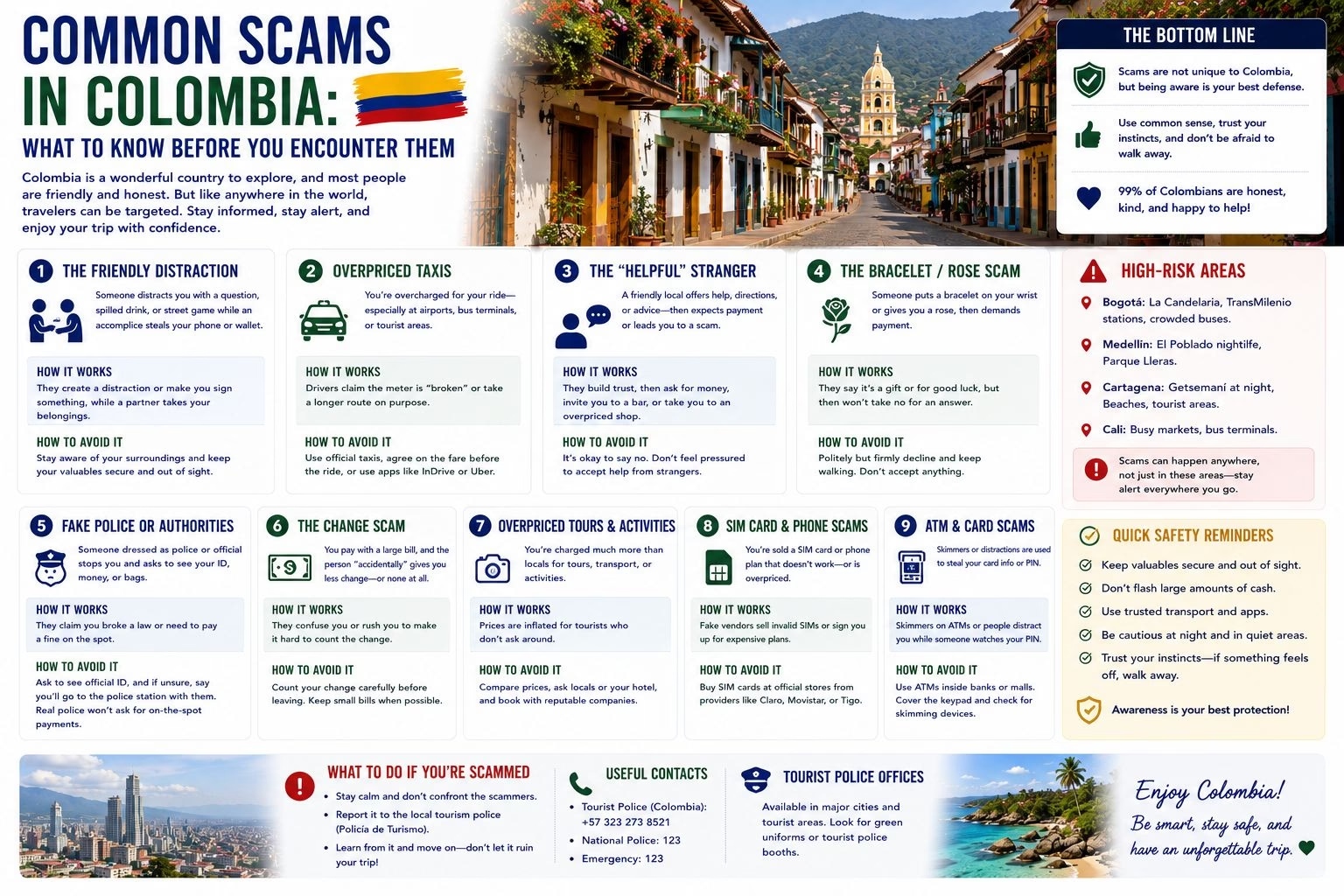
Colombia’s tourist areas have a specific set of scams that target visitors in recognisable patterns. Knowing these patterns before you encounter them is the most effective protection: recognition is almost always the critical factor in avoiding scams. The scams listed here are documented, frequently reported, and specifically relevant to the cities and situations that most Colombia visitors encounter.
Scopolamine (Burundanga): The Most Serious Specific Risk
Scopolamine, or burundanga, is a drug derived from the Brugmansia plant that causes temporary amnesia and impaired judgment. It is used in Colombia, more frequently than in most other tourist destinations, to facilitate robbery and occasionally assault. The drug is colourless, odourless, and tasteless when dissolved in a drink.
How it works: The victim unknowingly ingests the drug, becomes compliant and disinhibited (often appearing drunk), is directed by the perpetrator to withdraw money from ATMs, give passwords, or accompany them to a location, and then wakes up with no memory of what happened.
The situations of highest risk:
Accepting drinks (even sealed bottles, which can be doctored) from strangers you have just met in a bar or club. This applies regardless of gender; men are frequently targeted.
Accompanying someone you have just met to a second location, particularly if you are feeling unusually affected by alcohol or disoriented.
Getting into unmarked taxis or vehicles with strangers.
Romantic or social encounters that progress very quickly with someone met in a bar or club, particularly if that person seems unusually eager and the chemistry seems improbable.
Prevention: Never leave your drink unattended. Do not accept drinks from people you have just met; buy your own drinks and watch them being prepared. Use app-based ride services only. Be aware of any unusual sensations (unusual dizziness, disorientation, or difficulty thinking clearly even after modest alcohol intake) as potential warning signs.
If you think you may have been dosed: contact someone you trust immediately, go to a busy public place, call emergency services (123 in Colombia), and seek medical attention. Do not get into a vehicle with anyone.
The Unofficial Taxi (Pirate Taxi) Scam
In several Colombian cities, particularly Bogotá and Medellín, criminal actors use unmarked cars or taxis to conduct “express kidnapping”: a victim gets in, the car is locked, the victim is driven to multiple ATMs and forced to withdraw their daily maximum, then released.
Prevention: Use Uber, InDriver, Cabify, or another app-based ride service exclusively. Never get into an unmarked car or accept a ride offer from someone who approaches you on the street or at a transport hub. This single practice eliminates what is probably the highest-risk specific scenario for Colombia tourists. The getting around Colombia safely guide covers transport safety in full.
The Friendly Stranger Approach
A common tactic across Colombia’s tourist areas, particularly Cartagena:
A well-dressed, apparently friendly Colombian approaches a tourist with some variant of: “Welcome to Colombia! Where are you from? I love meeting people from [your country].” The conversation progresses to recommendations (a great restaurant nearby, a beautiful neighbourhood), and eventually to a proposal (let me show you, my cousin has a business you should see). The endpoint may be a commission-based restaurant where the tourist is overcharged; a shop where pressure is applied to buy; or a situation involving the drug scam described above.
How to recognize it: Unsolicited friendliness from someone who approaches specifically because you look like a tourist; unusual eagerness to maintain contact; offers to take you somewhere you were not planning to go.
Response: Politely decline and continue on your way. Genuine helpful Colombians exist and the vast majority of friendly interactions are exactly what they appear. The specific pattern to watch for is the persistence and the eventual proposal to go somewhere.
Overcharging in Tourist Areas
Systematic overcharging exists in Cartagena’s Walled City restaurants, in tourist transport situations, and in any commercial interaction where prices are not posted.
Common patterns: Menus without prices (or with prices in small print that are very high); drinks ordered without price confirmation that arrive at USD 15 to 25; taxi rides where the fare is agreed without a price and the driver subsequently demands much more; tour or activity bookings where “extra fees” appear at the end.
Prevention: Ask the price before ordering any food or drink. Check the bill line by line. Negotiate taxi fares in advance. Book activities through established operators with transparent pricing. Know the approximate correct prices before you need to evaluate whether you are being overcharged.
The False Policeman
A person presenting as a plainclothes police officer approaches a tourist, shows what may or may not be a genuine police ID, and asks to inspect the tourist’s wallet, bag, or passport for counterfeit currency or other contraband. During the “inspection,” cash or valuables are taken.
Real Colombian police conducting this type of inspection is legitimate; but real police do not typically approach foreign tourists specifically in tourist areas for random document checks. Real police will not object to walking with them to the nearest police station; fake police will.
Response: If approached by a plainclothes person claiming to be police, ask to be taken to the nearest police station or uniformed officer. Do not hand over your wallet, passport, or bag. Call 123 if you feel threatened.
The Exchange Rate Fraud
In situations where cash USD or EUR is being exchanged for Colombian pesos, a fraudulent counter may count bills into the tourist’s hands in a way that produces a short count, or may include counterfeit pesos among genuine bills.
Prevention: Exchange money at banks, established casas de cambio, or hotel reception rather than with individuals on the street. Count the pesos yourself before leaving the exchange point. Know the approximate correct exchange rate before any transaction; the money and budgeting guide covers current exchange practices in more detail.
Related: Safety Hub | Is Colombia Safe? | Getting Around Safely | Solo Travel Safety