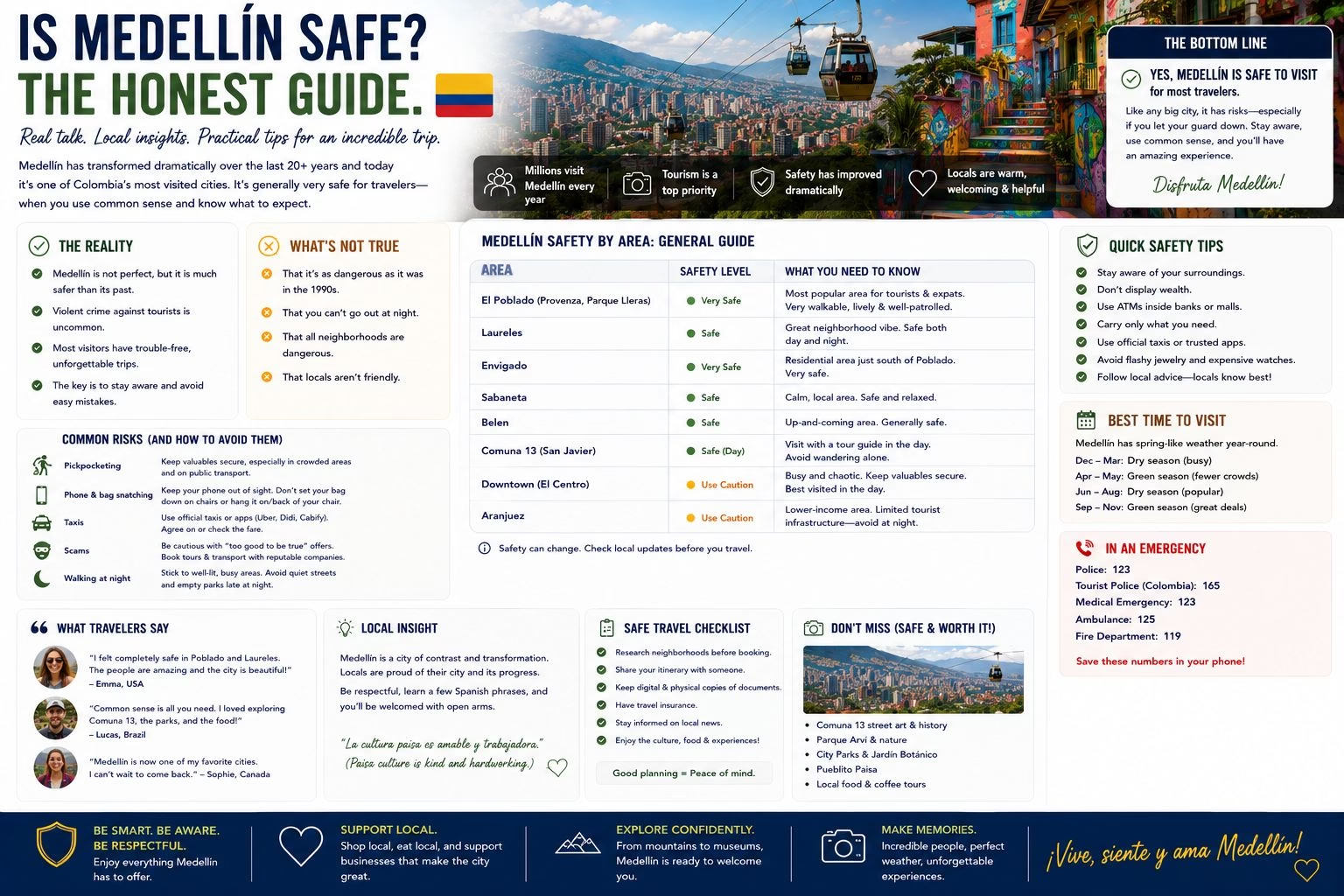
Medellín is a genuinely safe city for tourists by the standards of Latin American travel. The city that held the title of world’s most dangerous city multiple times in the 1990s has undergone a real and documented transformation; the tourist neighbourhoods of El Poblado and Laureles have crime rates comparable to many European cities for the kinds of crime that tourists typically encounter. The full picture, however, requires some specificity about neighbourhoods, situations, and the risks that do remain real.
The Short Answer
El Poblado and Laureles, the two neighbourhoods where most tourists and expats spend their time, are safe to walk during the day and evening. Standard urban awareness (phones in pockets, bags in front, no display of expensive items) is sufficient for most situations.
The historic centre (Parque Berrío, Parque de las Luces, the area around the metro’s San Antonio station) is active and generally safe during business hours but empties at night; it should be avoided after dark by visitors unfamiliar with the city.
The comunas of the northeastern and northwestern hillsides are accessible and safe for tourists on the cable car routes and during guided tours; independent exploration beyond the established routes requires more local knowledge.
Neighbourhood-by-Neighbourhood Safety
See the Medellín neighbourhoods guide for the full character breakdown of each area named below.
El Poblado: The primary tourist neighbourhood. Safe to walk at all hours in the main areas (Parque Lleras, the main restaurant streets, the park areas). Late-night El Poblado (after midnight) requires the same awareness as any entertainment district: pickpockets target crowded areas around clubs and bars; keep your phone in your pocket rather than in your hand.
Laureles: A safe, residential neighbourhood that many expats prefer specifically because it feels more normal than the tourist saturation of El Poblado. Safe to walk at all hours in the main areas; the standard urban awareness applies.
Envigado: An adjacent municipality south of El Poblado; safe and increasingly popular as a base. Good food and accommodation options; calmer than El Poblado.
The historic centre (Centro, Parque Berrío): Busy and generally safe during business hours (9am to 6pm) on weekdays. The Plaza Botero, the Museo de Antioquia, and the surrounding area are active and populated during the day. After dark and on Sundays, the area empties significantly; not appropriate for evening wandering by visitors unfamiliar with the city.
The cable car comunas (Santo Domingo, San Javier): Accessible and safe for tourists arriving via the Metrocable during daylight hours. The community of Santo Domingo, visible on the cable car route, has been the focus of significant urban investment; the library, the community spaces, and the cable car stations themselves are safe. Independent walking through the barrio streets beyond the main tourist points requires knowledge and ideally a local guide.
The Specific Risks in Medellín
Phone theft: The most common crime affecting tourists in Medellín. Phones held in the hand while walking, used openly while seated outside cafés, or visible in backpack exterior pockets are the most common theft targets. Keep your phone in a front trouser pocket or an interior bag pocket when not in use; this single practice eliminates most phone theft risk.
Scopolamine (burundanga) crime: More prevalent in Medellín than in Cartagena or the Coffee Region. The nightlife areas of El Poblado, particularly around the Parque Lleras clubs and bars, are the most documented locations. The scams guide covers the specific prevention practices.
Unofficial taxis: As with all major Colombian cities, getting into an unmarked taxi or accepting a ride from someone who approaches you is a documented risk. Use Uber, InDriver, or Cabify exclusively.
Getting Around Medellín Safely
The metro system: Completely safe during operating hours. The stations are well-monitored and the metro runs through a range of neighbourhoods without safety issues for passengers.
The Metrocable: Safe during operating hours on all lines (K, J, and L). The cable car stations are monitored; keep phones in pockets during the ride.
Taxis and ride-hailing: Use app-based services (Uber, InDriver, Cabify) exclusively. Radio taxis called by phone are also safe; street taxis can be used but verify the meter is running.
Walking: Safe in El Poblado, Laureles, and Envigado during the day and evening. In other neighbourhoods, follow the guidance above.
Night-Time Considerations
El Poblado’s nightlife runs late; the area around Parque Lleras is active until 3am and beyond on weekends. The area is generally safe to walk in during busy nightlife hours; the specific risks (phone theft and scopolamine crime) require standard precautions rather than avoidance.
Returning from nightlife by app-based taxi is the correct practice; walking home alone from a bar at 3am is less safe in El Poblado than in many tourist entertainment districts in Europe.
Emergency Information
Emergency number: 123 (combined police, fire, ambulance)
Tourist police: Located in the El Poblado and city centre areas
Medellín city government tourist information provides emergency contacts
Related: Safety Hub | Is Colombia Safe? | Common Scams | Medellín City Guide