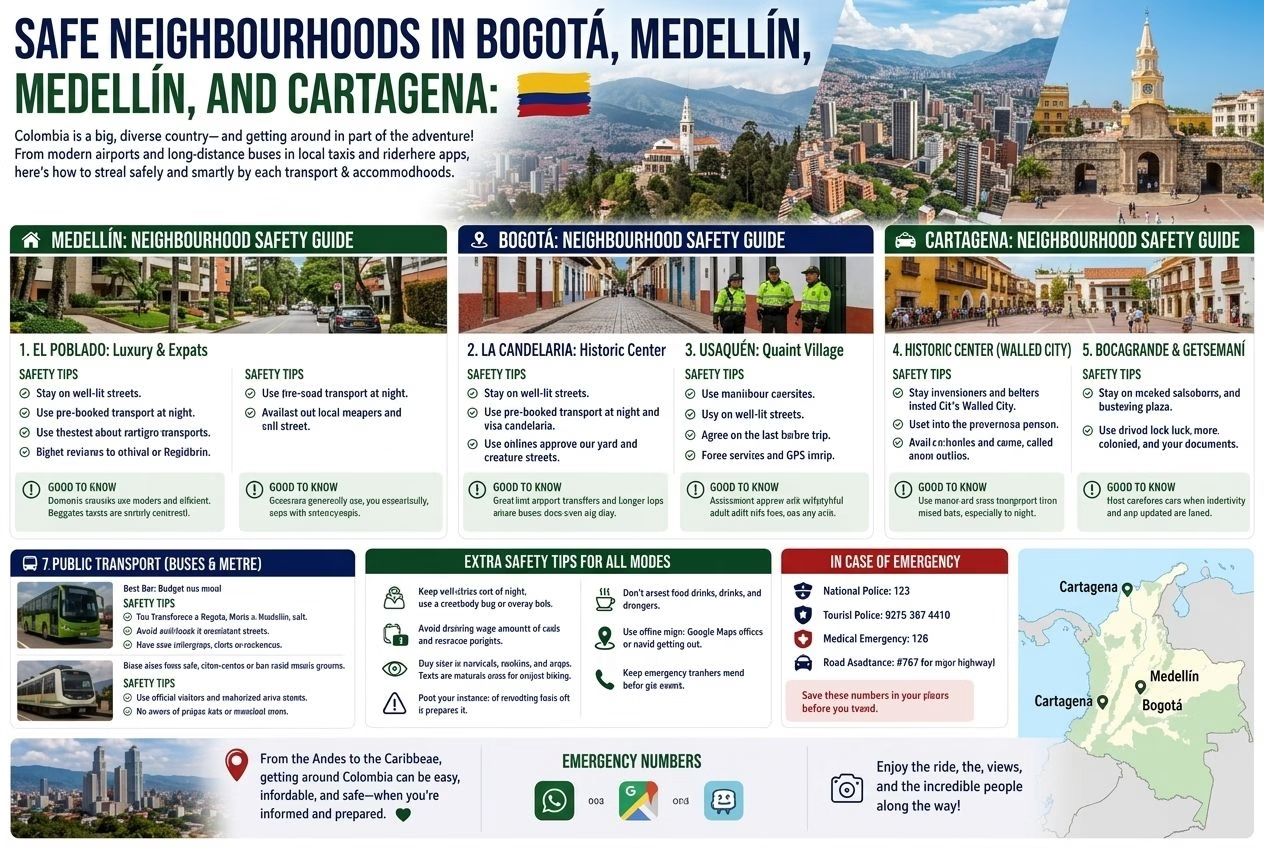
The neighbourhood question is the most practical safety question Colombia visitors ask, and the answer varies significantly by city. This guide gives the specific neighbourhood-level picture for Colombia’s three main tourist cities, covering both where to base yourself and the areas to avoid.
Medellín: Neighbourhood Safety Guide
Safest for tourists:
El Poblado is the primary tourist neighbourhood and the most consistently safe area for visitors. See the El Poblado guide for the full neighbourhood picture. The streets around Parque Lleras, the main restaurant thoroughfares of El Poblado, and the hotel areas are safe to walk at all hours, with the caveat that late-night nightlife areas (post-midnight) require the standard awareness about phone security and the scopolamine risk.
Laureles is the preferred neighbourhood for many expats and longer-stay visitors: a residential barrio west of El Poblado, safe to walk at all hours in the main areas, with good food and café infrastructure and a local character distinct from the tourist saturation of El Poblado.
Envigado, immediately south of El Poblado, is a separate municipality with a very safe reputation and an increasing concentration of good restaurants and cafés. Recommended for longer stays.
Safe with some awareness:
El Centro (the historic centre around Parque Berrío, Plaza Botero, the Museo de Antioquia): Safe and active during business hours on weekdays, particularly between 9am and 6pm. After dark and on Sundays, the area empties significantly; not appropriate for evening walking by visitors without local familiarity.
The comunas accessed via Metrocable (Santo Domingo Savio, San Javier): Safe during daylight hours when travelling on the cable car route and around the main cable car stations and established tourist points. Independent exploration of the surrounding streets requires more local knowledge and ideally a guide.
Areas to avoid:
The areas around Niquitao and some sections of the Prado neighbourhood at night; parts of the city north of the centre that are not on established tourist routes.
Bogotá: Neighbourhood Safety Guide
Safest for tourists:
Chapinero (particularly Chapinero Alto and the Zona Rosa): The most consistently recommended tourist neighbourhood in Bogotá. Good restaurants, hotels, nightlife, and a safety profile comparable to El Poblado in Medellín. Safe to walk in the main areas during the day and evening; standard awareness at night.
Usaquén: Colonial neighbourhood in the north of the city; safe and pleasant, particularly around the main square and the Sunday market. Safe to walk during the day and into the evening.
Zona G (Gourmet Zone): A cluster of streets in Chapinero with the best restaurant concentration in Bogotá; safe during restaurant hours.
Safe with more specific awareness:
La Candelaria: Safe during business hours (9am to 6pm) on weekdays for visiting museums and the historic centre. Empties after dark; not appropriate for evening walking by visitors. Take a taxi or app-based service from any evening destination in La Candelaria. See the La Candelaria guide for the full neighbourhood breakdown.
Galerías (Teusaquillo): A mid-range residential neighbourhood; safe with standard awareness during the day.
Areas to avoid:
Walking alone at night in La Candelaria or the surrounding Avenida Jiménez corridor. Areas south of La Candelaria not on established tourist routes. The area around the Estación de la Sabana (old train station) at night.
Cartagena: Neighbourhood Safety Guide
Safest for tourists:
The Walled City (Ciudad Amurallada): The most heavily policed and touristed area of Cartagena; safe to walk at all hours in the main areas. The risk profile here is primarily financial (overcharging, tourist fraud) rather than physical crime.
Bocagrande: The modern residential and hotel peninsula; safe to walk during the day and evening in the main areas along the beach strip and commercial streets.
Getsemaní (main area around Plaza de la Trinidad): Safe and increasingly well-supplied with tourist infrastructure. The main streets and the plaza are active and safe during the day and evening.
Safe with some awareness:
Getsemaní streets further from the central plaza: progressively less safe the further you move from the main tourist area, particularly after midnight.
Castillogrande: A residential area between Bocagrande and the historic centre; safe but quieter, with less infrastructure for visitors.
Areas to avoid:
The Bazurto market area and surrounding barrios for visitors without local accompaniment.
The Practical Summary
In all three cities, the pattern is consistent: the neighbourhoods specifically developed for tourism and the well-established residential areas used by the professional class are safe with standard urban awareness. The areas outside this tourist-residential corridor require progressively more specific local knowledge to navigate safely.
The most effective safety strategy: choose accommodation in the safe neighbourhoods listed above, use app-based transport for all journeys, and consult your accommodation staff before exploring any unfamiliar area.
Related: Safety Hub | Is Medellín Safe? | Is Bogotá Safe? | Is Cartagena Safe?