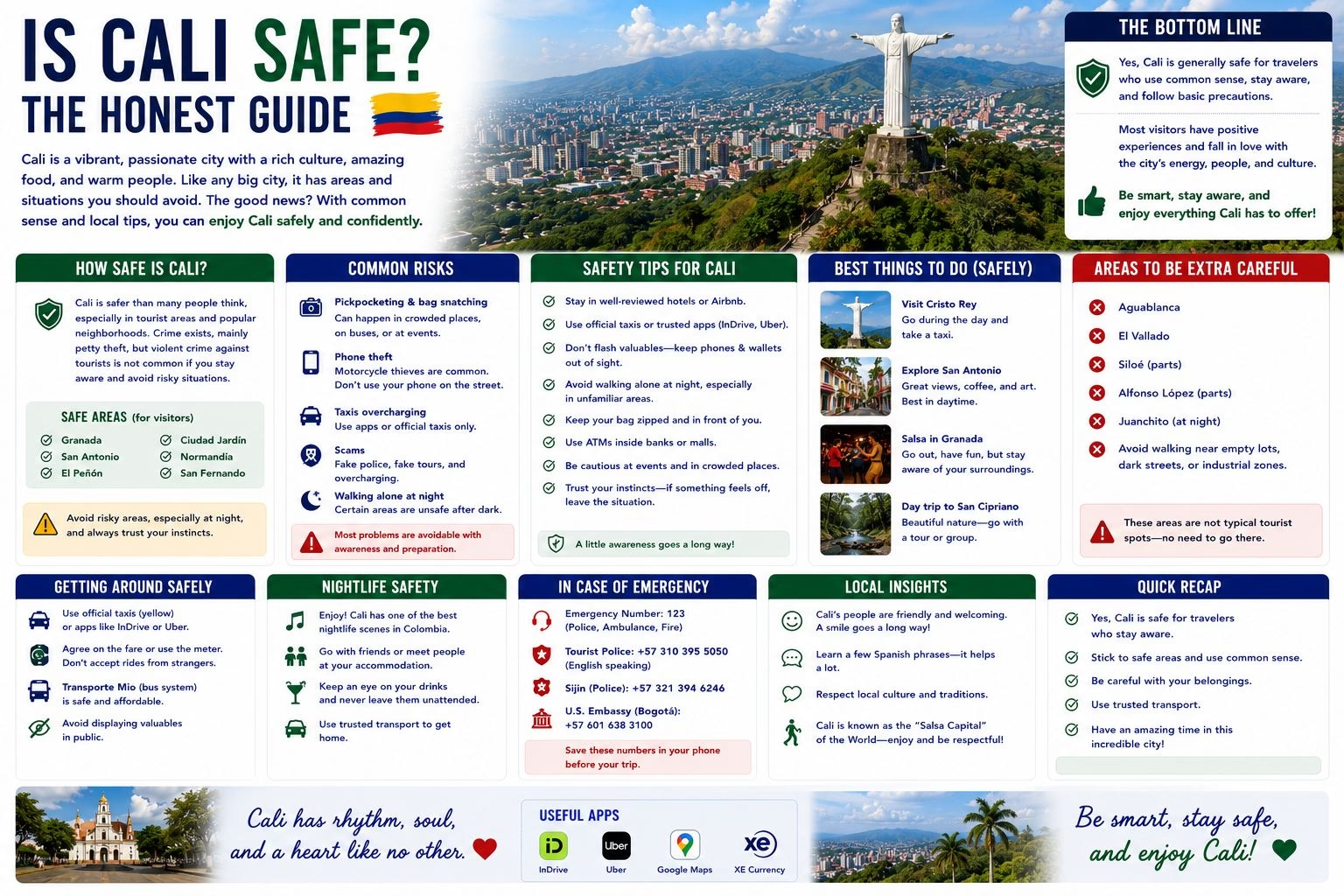
Cali requires more active safety awareness than Medellín or Cartagena. The city has significant urban inequality, and neighbourhoods with persistent crime problems sit close to the areas visitors actually use. This is not a reason to avoid Cali; it is a reason to be specific about where you go and how you move around, in the same way this site recommends for Bogotá. A visitor who sticks to the recommended neighbourhoods, uses app-based transport at night, and follows the practical habits below has a safe and genuinely rewarding Cali experience.
The Short Answer
El Peñón, Granada, and San Antonio, the neighbourhoods where most visitors spend their time, are safe to walk during the day and in the evening with standard urban awareness. Cali’s overall crime profile is higher than Medellín’s or Cartagena’s tourist areas, which means the margin for carelessness is smaller: the same habits that are merely sensible in Medellín are closer to necessary in Cali.
Neighbourhood-by-Neighbourhood Safety
El Peñón: An upscale residential neighbourhood with good restaurants, safe for walking at most hours. One of the two best bases for visitors.
Granada: Cali’s main commercial and dining district, busy and well-populated through the evening, with a comfortable safety profile for a visitor exploring on foot.
San Antonio: The historic hillside neighbourhood, bohemian and increasingly popular with visitors and digital nomads. Charming and generally safe during the day and early evening; as with historic centres in other Colombian cities, exercise more caution on the quieter streets after dark.
Laureles (Cali): Not to be confused with Medellín’s neighbourhood of the same name; a solid residential option with a comfortable safety profile.
Downtown and the areas beyond the recommended zones: Cali has neighbourhoods with genuinely elevated crime risk that sit closer to the tourist and residential core than in Medellín or Cartagena. The practical rule: stay within El Peñón, Granada, San Antonio, and Laureles unless you are with someone who knows the city, and get local advice from your accommodation before venturing further.
The Specific Risk: Motorbike Theft
Motorbike-based phone and bag snatching is more common in Cali than in Colombia’s other major cities. The pattern is a rider who snatches an item from a pedestrian’s hand and accelerates away before any response is possible. The countermeasure is simple and highly effective: keep your phone in a zipped pocket while walking, not in your hand, and avoid using it while walking on the street. This single habit eliminates most of the practical risk.
Nightlife and the Salsotecas
Cali’s salsotecas, the dedicated salsa dance venues that are the defining Cali experience, are genuinely safe within the venues themselves; they are professional, long-established neighbourhood institutions well used to visitors. Juanchito, the salsa district east of the city where many of the largest salsotecas are located, is best reached and left by Uber or another app-based service rather than on foot or by street taxi. The venues themselves are not the risk; the unlit, less populated approach roads at night are. See the salsa culture guide for more on the salsoteca experience itself.
Solo Female Travellers
Cali has a culture of physical expressiveness and directness that can feel more intense on first encounter than in other Colombian cities, including in social and nightlife settings; this is a cultural pattern rather than a specific danger signal, and the salsotecas specifically are social environments where dancing with multiple partners across an evening is entirely normal and does not carry the connotations it might elsewhere. Standard precautions (app-based transport at night, awareness in crowded venues, trusting your own read of a situation) apply here as everywhere in Colombia. See the solo travel safety guide and the women’s safety guide for the wider country picture.
Getting Around Safely
The MIO bus rapid transit system is generally safe during normal daytime hours; exercise more caution during crowded periods when pickpocketing risk rises, as with any dense public transport system. For evenings and nights, app-based transport (Uber, InDriver, Cabify) is the standard and recommended choice over street taxis or walking longer distances. See the getting around Colombia safely guide for the wider transport picture.
A Note on This Guide
Cali has historically had less dedicated safety content on this site than Medellín, Bogotá, and Cartagena, despite being one of Colombia’s five major visitor destinations. This guide is a first step toward closing that gap; see the Cali destination guide for the wider visitor picture of the city.
Related: Is Colombia Safe? | Safety Hub | Cali City Guide | Salsa Culture
For corrections or updates to this guide: contact@allaboutcolombia.com.